

Why in news?
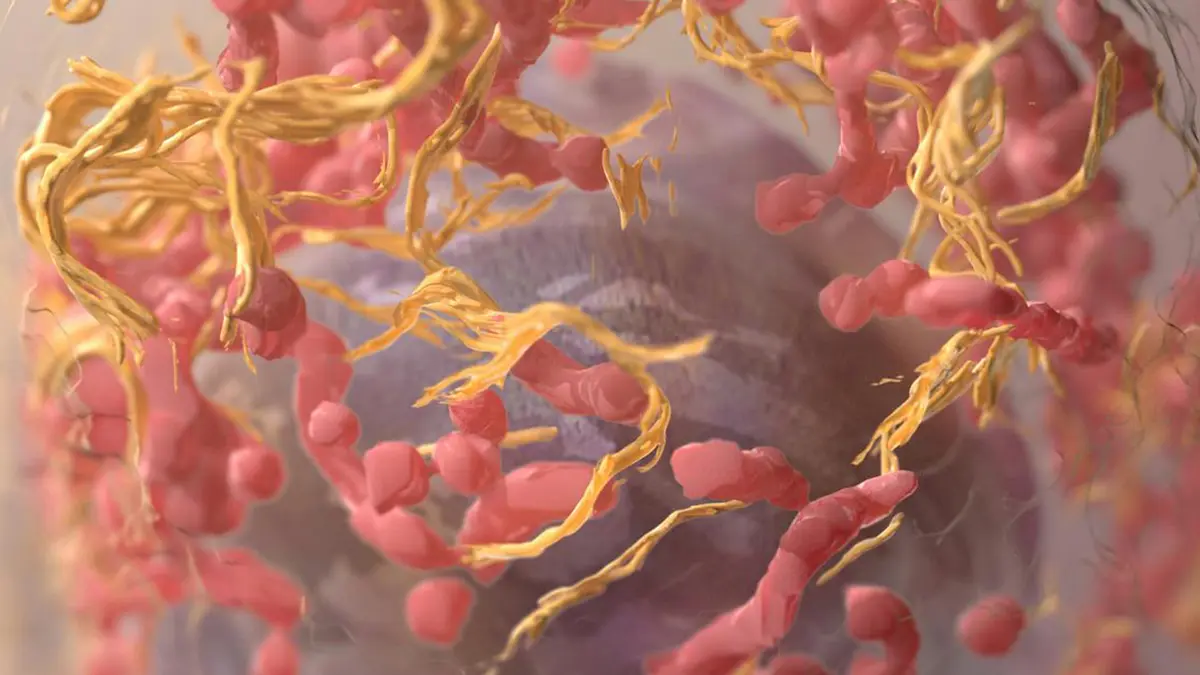
A study led by scientists at the U.S. National Institutes of Health found that cholesterol accumulated in the nuclear envelope of cancer cells makes their nuclei softer and more prone to deformation, helping melanoma and other cancers spread. The findings suggest new avenues for treatment and explain why cholesterol‑lowering drugs may slow tumour growth.
Background
Melanoma is a serious form of skin cancer that begins in melanocytes, the cells that produce the pigment melanin. It commonly develops on sun‑exposed skin but can rarely occur in the eyes, nose or throat. Excessive exposure to ultraviolet (UV) radiation is the major risk factor. Early signs include changes in existing moles or the appearance of new, unusual‑looking growths. Treatments depend on the stage and may include surgery, removal of nearby lymph nodes, immunotherapy and targeted drugs.
What the study discovered
- Nuclear ‘squishiness’: Researchers discovered that when cholesterol levels in the nuclear envelope are high, the nucleus becomes softer and more deformable. Cancer cells must squeeze through narrow spaces when spreading; a softer nucleus makes this easier.
- Fragility and DNA damage: High cholesterol also makes the nuclear envelope more fragile, leading to small tears. These tears expose DNA to physical stress, increasing mutations and potentially making the cancer more aggressive.
- Role of the lamin B receptor (LBR): The team identified the protein LBR as a key driver of cholesterol production in the nuclear envelope. When melanoma cells overproduced LBR, cholesterol rose and nuclei became squishier and more fragile. Lowering LBR levels or removing cholesterol made the nuclei stiffer and the cells less invasive.
- Statins and prognosis: Epidemiological data showed that melanoma patients who regularly used statins (cholesterol‑lowering drugs) tended to have slower disease progression. The researchers suggested that LBR could be a target for future therapies.
Significance
- Mechanistic insight: The study reveals how changes in nuclear structure contribute to cancer metastasis and highlights cholesterol’s unexpected role within the cell nucleus.
- Potential treatments: Targeting LBR or nuclear cholesterol synthesis could limit cancer spread. Existing statin drugs might also complement other treatments in some patients.
- Public health awareness: While research continues, the study underscores the importance of protecting skin from UV radiation and recognising early signs of melanoma for timely intervention.
Conclusion
This research connects cholesterol metabolism to cancer biology in a novel way. By understanding how nuclear envelope properties influence metastasis, scientists may develop new strategies to slow or prevent the spread of melanoma and potentially other cancers.
Source: The Hindu