

Why in news?
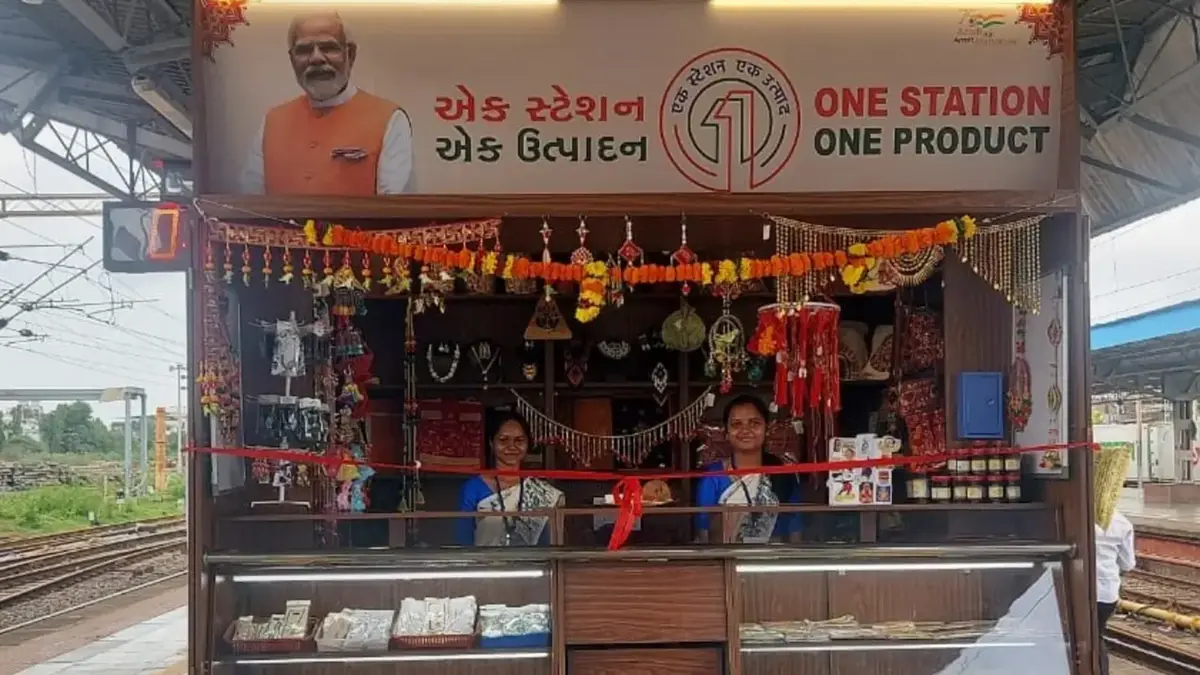
The Ministry of Railways has reported that more than 2,300 One Station One Product outlets are now operating at over 2,000 railway stations across India. The scheme aims to provide dedicated retail spaces for local artisans and self‑help groups at stations, turning travel hubs into marketplaces for regional crafts and produce.
Background
Announced in the Union Budget for 2022–23, OSOP encourages Indian Railways to support the “Vocal for Local” campaign by showcasing indigenous products. After a successful 15‑day pilot across 19 stations, the scheme was scaled up nationwide. Stalls are allotted on a rotational basis at nominal fees and are managed by railway divisions in coordination with state agencies, self‑help groups and micro‑, small‑ and medium‑sized enterprises.
Key aspects
- Market access: OSOP provides artisans, weavers, farmers and women’s groups with direct access to millions of travellers, giving them a platform to sell local products such as handloom textiles, paintings, toys and regional delicacies.
- Cultural showcase: Each station highlights its region’s identity. Examples include cane products at Tenkasi Junction in Tamil Nadu, Madhubani paintings at Patna Station in Bihar and Sanganeri prints at Jaipur Junction in Rajasthan.
- Inclusive participation: Priority is given to artisans from self‑help groups, especially women. The scheme also accommodates Divyangjan entrepreneurs and ensures equitable participation.
- Sustainable livelihoods: By linking traditional crafts to railway infrastructure, OSOP supports community incomes while preserving heritage skills. The success of the scheme may inspire similar initiatives in other sectors.
Conclusion
The One Station One Product initiative demonstrates how public infrastructure can promote local enterprises. As the network of OSOP outlets expands, it creates opportunities for artisans and adds cultural richness to travel. Careful curation and support will be required to ensure the long‑term viability of these micro‑marketplaces.