

Why in news?
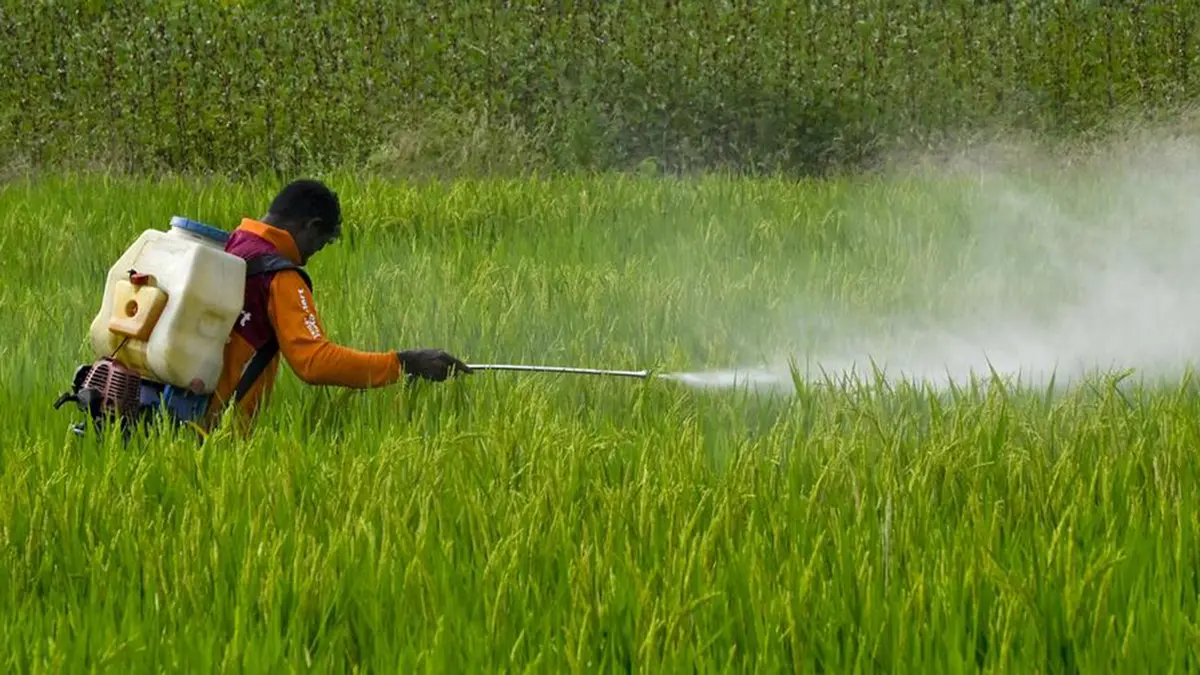
The weed killer paraquat dichloride has attracted attention after Syngenta announced plans to stop producing it by the end of June 2026. Many countries have already banned the herbicide due to its extreme toxicity, but India continues to allow its use on several crops. Recent restrictions by state governments highlight growing health and environmental concerns.
Background
Paraquat was synthesised in 1882. Scientists discovered its herbicidal property in 1955, and commercial use began in 1961. The chemical acts by destroying plant tissues through oxidative stress. In humans even a few drops can be fatal, and there is no antidote. Austria banned paraquat in 1993, Switzerland in 1989 and the United Kingdom in 2007. China, one of the largest users, banned it in 2017. Syngenta is the major producer but plans to cease manufacturing soon. Other companies continue to supply the product.
Use in India and issues
- Permitted crops: India’s Central Insecticide Board and Registration Committee has approved paraquat for nine crops including tea, potato, cotton, rubber, coffee, paddy, wheat, maize and grapes. Farmers also use it illegally to dry moong crops quickly.
- Health hazards: Paraquat causes lung and kidney failure when ingested. Poisoning cases often result from accidental ingestion or suicides. There is no specific antidote, and treatment focuses on supportive care.
- State actions: Telangana introduced guidelines in March 2026 requiring buyers to obtain a prescription from agriculture officers and dealers to record details. Andhra Pradesh imposed a 60‑day prohibition on the sale and use of paraquat in May 2026 following a rise in poisoning deaths.
- Regulatory debate: India’s Anupam Verma committee in 2015 recommended continued use with safety conditions. Critics argue that enforcement is weak. With more than 74 countries banning paraquat, activists urge India to phase out the herbicide and promote safer alternatives.
Conclusion
Paraquat’s high toxicity and lack of antidote make it a serious public health concern. Growing restrictions by state governments signal a shift toward safer weed management. Policy makers should evaluate alternatives and consider a national ban to protect farm workers and consumers while supporting farmers through training and substitution programmes.