

Why in news?
Peru frequently appears in world news because of its political developments, economic reforms and rich cultural heritage. UPSC aspirants should know the basic facts about this South American country, including its geography, history and resources.
Background
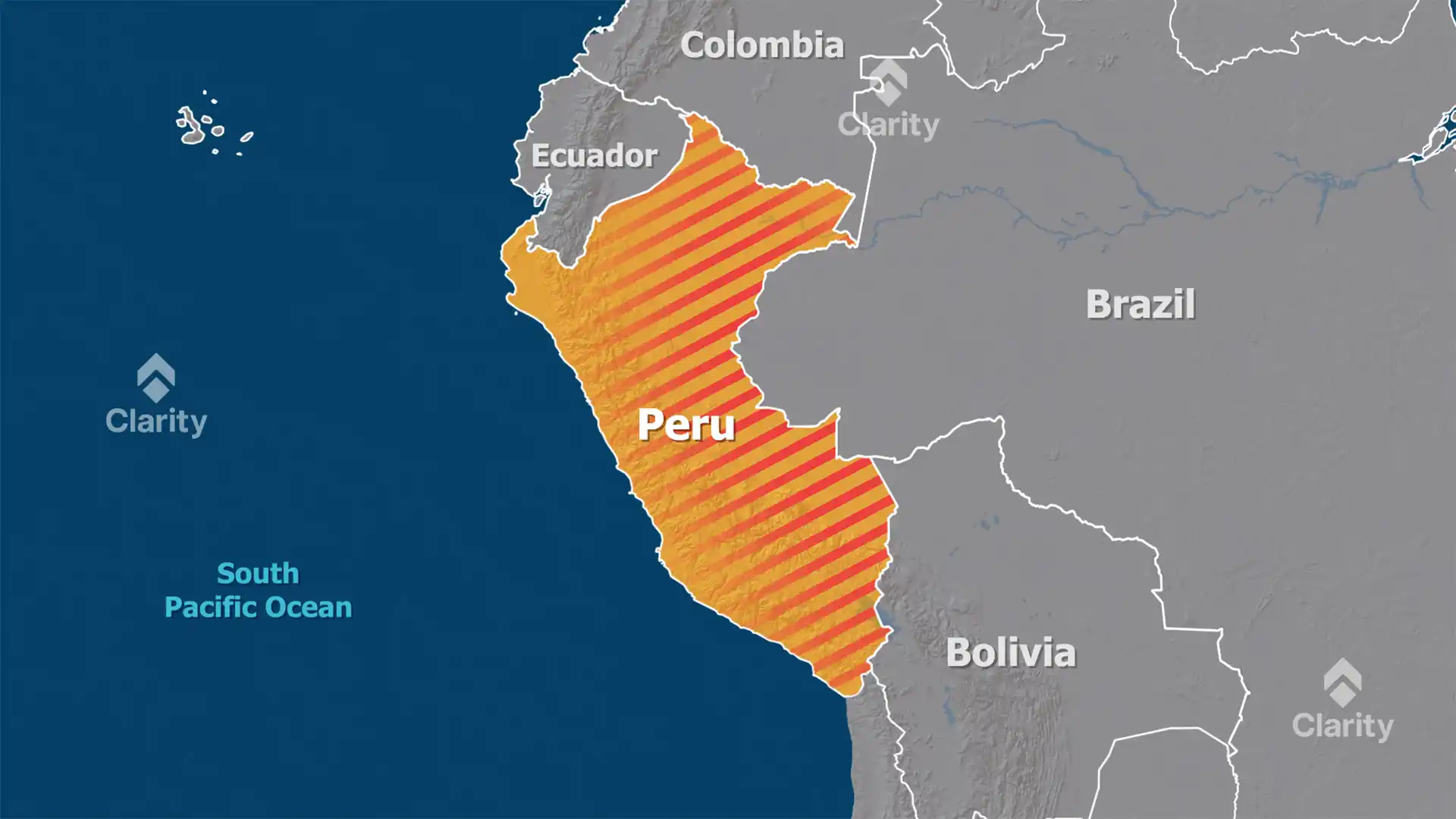
Peru is located on the western side of South America along the Pacific Ocean. It covers about 1.28 million square kilometres and shares borders with Ecuador, Colombia, Brazil, Bolivia and Chile. The capital city is Lima, and the official languages are Spanish, Quechua and Aymara. Peru’s history stretches back to the ancient Norte Chico civilisation and later the mighty Inca Empire in the fifteenth century. Spanish conquistador Francisco Pizarro toppled the Inca ruler Atahualpa in 1532, leading to three centuries of colonial rule. On 28 July 1821 José de San Martín declared independence, and in 1824 the republic was secured after the Battle of Ayacucho.
Geography and environment
- Three regions: Peru has a narrow coastal desert, the high Andes mountains and the vast Amazon rainforest to the east.
- Highest peak: Nevado Huascarán (6,768 m) in the Cordillera Blanca is the highest mountain in Peru and the world’s highest tropical mountain.
- Rivers and lakes: The Amazon River rises in southern Peru, and Lake Titicaca on the Bolivia border is the world’s highest navigable lake.
- Climate: The coastal zone is dry; the Andes experience temperate to frigid conditions; the eastern rainforest is hot and humid.
- Biodiversity: Peru is one of the world’s megadiverse countries, home to Andean condors, llamas, spectacled bears and thousands of plant species.
Economy and culture
- Natural resources: Peru has rich deposits of copper, silver, gold and iron. Fishing, textiles and tourism are also important.
- Agriculture: The country is known for potatoes, quinoa and coffee. Peruvians eat ceviche (raw fish marinated in lime) and drink the purple corn beverage chicha morada.
- Cultural heritage: Machu Picchu and the Nazca Lines are UNESCO World Heritage Sites. Music and dance are influenced by Indigenous, Spanish and African traditions.
- Government: Peru is a presidential republic. Recent years have seen political instability with several changes of presidents.
Conclusion
Peru is a diverse country where snow‑capped peaks, arid deserts and tropical forests coexist. Its long history and abundant resources make it an important player in the Andean region. Understanding Peru’s geography, culture and economy helps in appreciating developments from this part of the world.