

Why in news?
Tamil Nadu is examining solar-powered pumping for a proposed transfer of surplus Cauvery water. The proposal would connect Mayanur Barrage with Ponnaniyar and Kannuthu dams. A 2 September 2026 update described revised survey and planning work. The immediate question is whether the project can provide useful irrigation without unsustainable recurring energy costs.
The dam and its physical setting
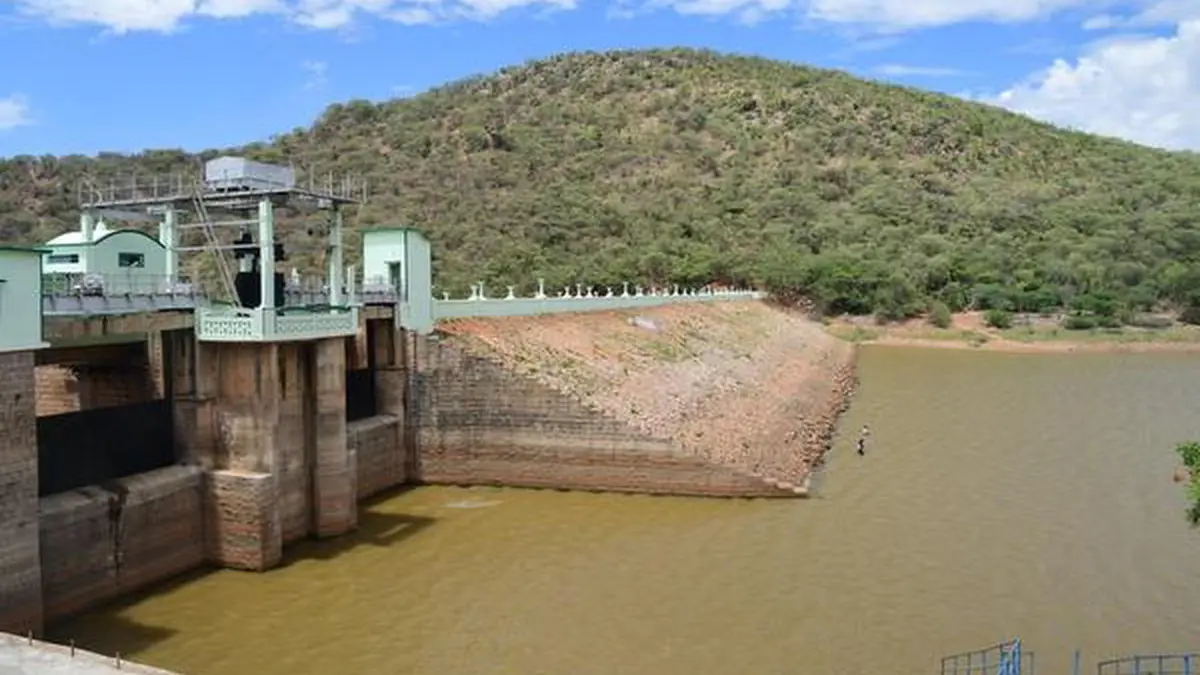
Ponnaniyar Dam lies near Pooncholai village in the Kadavoor hill region of Karur district. The district administration places it at the foot of Semmalai. Its stored water supports irrigation in the surrounding area. This is an inland hill-foot reservoir, not a dam across the Cauvery’s main channel.
The proposed transfer begins at Mayanur Barrage on the Cauvery. Water would have to reach reservoirs away from that main river channel. The proposal is intended to benefit irrigation, including areas associated with Manapparai taluk. The source, storage locations and proposed command area must therefore be distinguished clearly.
A reservoir’s presence does not guarantee dependable irrigation every year. Its usefulness depends on inflows, storage conditions and the timing of releases. Farmers may face shortages even where a dam already exists. Transferring water is one possible response, but it requires evidence about both supply and demand.
What is currently being considered
The Water Resources Department has sought a design using solar-powered motors. The aim is to address the continuing electricity costs of pumping. Officials described a revised estimate of ₹94 lakh for survey and investigation. That work would support preparation of a detailed project report.
The ₹94 lakh figure is not the cost of constructing the entire transfer system. It concerns preliminary technical work for the proposal. Nor does that estimate mean that construction has received final approval. These distinctions matter when assessing what has changed and what remains to be decided.
A detailed project report should connect the physical design with realistic operating assumptions. It needs to examine the route, pumping requirement and likely water availability. It should also establish how the receiving reservoirs would distribute water. Without these connections, an attractive energy proposal may not become a dependable irrigation service.
What solar pumping can and cannot solve
Solar panels convert sunlight into electricity that can run pumping equipment. This can reduce dependence on purchased electricity during suitable operating periods. However, solar generation varies with sunlight and weather. A large water-transfer system must therefore match its energy arrangement to its pumping schedule.
The Food and Agriculture Organization recognises important benefits from solar irrigation. It also warns that cheaper pumping can encourage unsustainable water use. Energy savings do not create an additional water resource. Rules for withdrawal and distribution remain necessary even when the electricity comes from sunlight.
Initial investment and maintenance also remain part of the project’s cost. Panels, pumps and related equipment need suitable sites and continuing care. The assessment should consider replacement and operating responsibilities over time. Comparing complete lifetime costs would be more useful than comparing electricity bills alone.
The central test is water reliability
The proposal specifically concerns surplus Cauvery water. That description requires a clear definition of when withdrawal would be permitted. Water availability can vary between seasons and years. A sound design should test whether useful transfer windows coincide with the system’s operating capacity.
The receiving reservoirs also need an agreed irrigation plan. Allocation should consider crop demand, timing and the area that can be served reliably. Efficient field use can make transferred water more valuable. Conversely, expanding demand without dependable supply could reproduce the shortages that the project seeks to address.
Public evaluation should therefore examine more than the choice of motor. Farmers need clarity about likely benefits and limits. Administrators need credible costs and arrangements for operating the system. Technical studies should make these assumptions visible before a construction decision is taken.
Conclusion
Solar pumping could improve the economics of the proposed Ponnaniyar water transfer. Its value depends on dependable water availability and a workable irrigation plan. The present stage concerns investigation and project preparation. Energy savings must be assessed alongside capital costs, maintenance and fair distribution. Careful planning can establish whether the proposal offers lasting benefits for farmers.