

వార్తల్లో ఎందుకు?
యూరోపియన్ స్పేస్ ఏజెన్సీ (European Space Agency - ESA) ఫిబ్రవరి 2026 మధ్యలో రెండు అంతరిక్ష నౌకలలో (spacecraft) ఒకదానితో సంబంధాలు తెగిపోవడంతో దాని ప్రోబా-3 (Proba-3) సూర్య గ్రహణం మిషన్తో (solar-eclipse mission) ఇబ్బందులను నివేదించింది. డిసెంబర్ 2024లో ప్రారంభించబడిన (launched) ఈ మిషన్, కృత్రిమ సూర్యగ్రహణాలను (artificial solar eclipses) సృష్టించడానికి మరియు సూర్యుని బాహ్య వాతావరణాన్ని (outer atmosphere) అధ్యయనం చేయడానికి ఖచ్చితమైన నిర్మాణంలో (precise formation) ఎగిరే రెండు ఉపగ్రహాలపై (satellites) ఆధారపడి ఉంటుంది.
నేపథ్యం
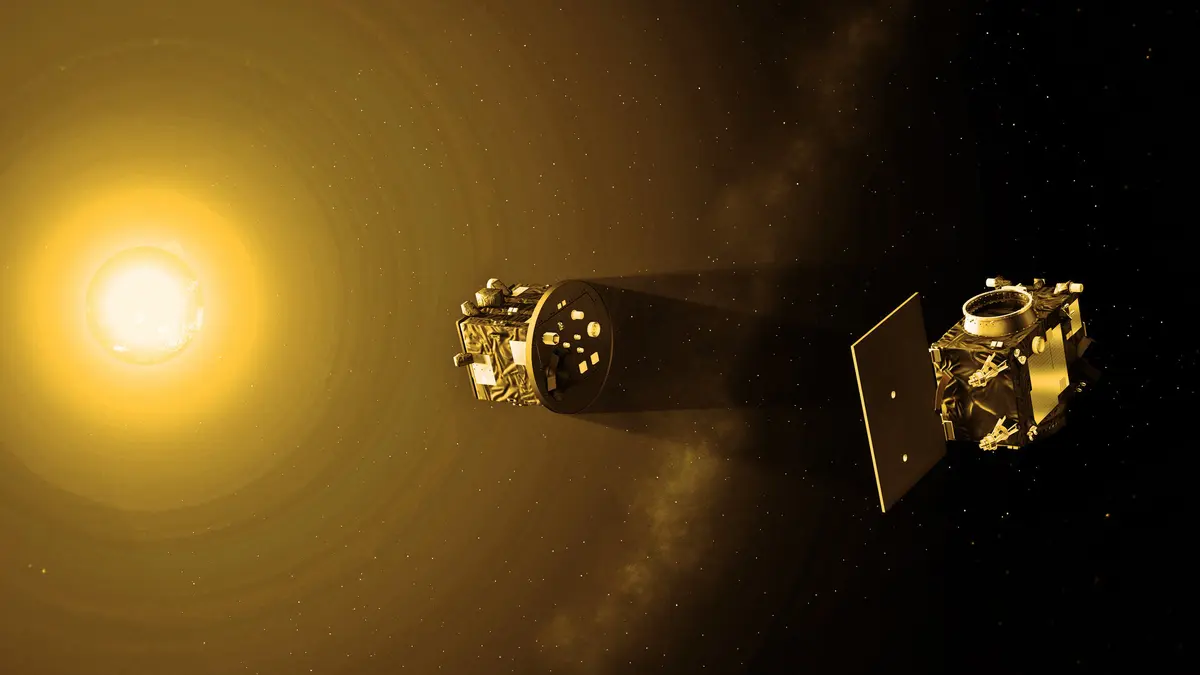
ప్రోబా-3 అనేది ESA యొక్క మొదటి ప్రెసిషన్ ఫార్మేషన్-ఫ్లయింగ్ మిషన్ (precision formation-flying mission). ఇది రెండు చిన్న ఉపగ్రహాలను (satellites) కలిగి ఉంటుంది: ఆకల్టర్ (Occulter), ఇది సూర్యుని ప్రకాశవంతమైన ఫోటోస్పియర్ను (photosphere) నిరోధించడానికి ఒక డిస్క్ను (disc) కలిగి ఉంటుంది మరియు కరోనాగ్రాఫ్ (Coronagraph), ఇది మందకమైన కరోనాను (faint corona) పరిశీలించడానికి టెలిస్కోప్ను (telescope) కలిగి ఉంటుంది. ఉపగ్రహాలు భారతదేశంలోని సతీష్ ధావన్ అంతరిక్ష కేంద్రం (Satish Dhawan Space Centre) నుండి PSLV-XL రాకెట్లో 5 డిసెంబర్ 2024న ప్రయోగించబడ్డాయి. అపోజీ వద్ద (apogee - భూమి నుండి దాదాపు 60,000 కి.మీ) దాదాపు 150 మీటర్ల దూరంలో ఉన్నప్పుడు, అవి సంపూర్ణ సూర్యగ్రహణాన్ని (total solar eclipse) అనుకరించడానికి (simulate) ఒకే పెద్ద పరికరం (single giant instrument) వలె పనిచేస్తాయి.
సాంకేతిక ఆవిష్కరణలు (Technological innovations)
- ఫార్మేషన్ ఫ్లయింగ్ (Formation flying): సెన్సార్ల సూట్ను (suite of sensors) ఉపయోగించి మిషన్ మిల్లీమీటర్-స్థాయి సాపేక్ష స్థానాలను (millimetre-level relative positioning) ప్రదర్శిస్తుంది. కరోనాగ్రాఫ్లో (Coronagraph) ఫ్లాషింగ్ LEDలను (flashing LEDs) ట్రాక్ (track) చేసే ఆకల్టర్లోని (Occulter) కెమెరాలు (cameras), కరోనాగ్రాఫ్ను ఆకల్టర్ నీడలో (occulter’s shadow) ఉంచే నీడ-స్థాన సెన్సార్ (shadow-position sensor) మరియు మిల్లీమీటర్ ఖచ్చితత్వంతో (millimetre precision) దూరాన్ని కొలవగల సామర్థ్యం గల లేజర్ ఆధారిత (laser-based) ఫైన్ లాటరల్ మరియు రేఖాంశ సెన్సార్ (Fine Lateral and Longitudinal Sensor) ఉన్నాయి.
- స్వయంప్రతిపత్త నియంత్రణ (Autonomous control): గ్రౌండ్ కంట్రోలర్లు (ground controllers) రెండు ఉపగ్రహాలను దగ్గరకు తీసుకువచ్చిన తర్వాత, ఆన్-బోర్డ్ సాఫ్ట్వేర్ (on-board software) నావిగేషన్ (navigation), మార్గదర్శకత్వం (guidance) మరియు నియంత్రణను (control) నిర్వహిస్తుంది, జంట భూమి గురుత్వాకర్షణకు (gravity) దూరంగా ఉన్నప్పుడు ప్రొపెల్లెంట్ వాడకాన్ని (propellant use) తగ్గిస్తుంది.
- సైన్స్ లక్ష్యాలు: పదేపదే కృత్రిమ గ్రహణాలను (artificial eclipses) సృష్టించడం ద్వారా, సూర్యుని కరోనా ఉపరితలం (surface) కంటే ఎందుకు వేడిగా ఉంటుంది, సౌర గాలిని (solar wind) ఏది వేగవంతం చేస్తుంది మరియు కరోనల్ మాస్ ఎజెక్షన్లు (coronal mass ejections) ఎలా ప్రేరేపించబడతాయి (triggered) అనేదానికి సమాధానం చెప్పాలని శాస్త్రవేత్తలు భావిస్తున్నారు. స్టార్లైట్ను (starlight) నిరోధించడానికి ఆకల్టర్లను (occulters) ఉపయోగించే ఎక్సోప్లానెట్ వేటగాళ్ళు (exoplanet hunters) వంటి భవిష్యత్ మిషన్లకు (future missions) కూడా సాంకేతికత తెలియజేయవచ్చు.
ప్రస్తుత పరిస్థితి మరియు ప్రాముఖ్యత
మే 2025లో రెండు అంతరిక్ష నౌకలు (spacecraft) మిల్లీమెట్రిక్ ఖచ్చితత్వంతో (millimetric precision) విజయవంతంగా పలు గంటల ఫార్మేషన్ ఎగురుతున్న (formation flying) పనితీరును ప్రదర్శించాయి. వారు జూన్ 2025లో వారి మొదటి కృత్రిమ సూర్యగ్రహణం (artificial solar-eclipse) చిత్రాలను (images) సంగ్రహించారు. అయినప్పటికీ, మార్చి 2026 అప్డేట్ ప్రకారం, ఫిబ్రవరి 14న జరిగిన క్రమరాహిత్యం (anomaly) తర్వాత కరోనాగ్రాఫ్ (Coronagraph) ఓరియంటేషన్ను (orientation) కోల్పోయింది, దీని వల్ల దాని సౌర ఫలకాలు (solar panels) సూర్యుని నుండి దూరంగా ఉండి దాని బ్యాటరీలను (batteries) హరించాయి. ESA బృందాలు (ESA teams) కారణాన్ని పరిశోధిస్తున్నాయి మరియు రికవరీకి (recovery) సహాయపడేందుకు ఆకల్టర్ను (Occulter) మరింత దగ్గరగా తీసుకురావడానికి మార్గాలను అన్వేషిస్తున్నాయి. ఈ సంఘటన డీప్ స్పేస్లో (deep space) బహుళ ఉపగ్రహాలను (multiple satellites) నియంత్రించడంలోని (controlling) సవాళ్లను (challenges) నొక్కి చెబుతుంది మరియు మిషన్ యొక్క ప్రయోగాత్మక స్వభావాన్ని (experimental nature) హైలైట్ చేస్తుంది.