

Why in news?
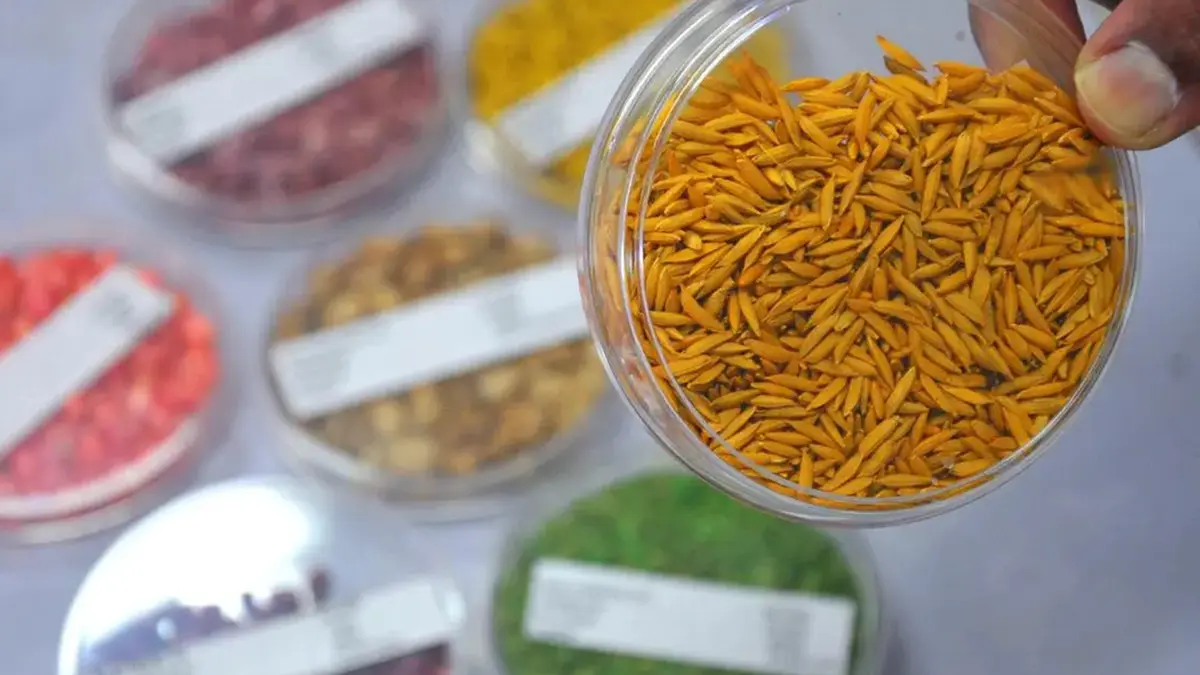
Scientists from the Indian Council of Agricultural Research’s Indian Institute of Oilseeds Research (ICAR‑IIOR) in Hyderabad have developed a smart seed‑coating technology. The innovation uses a biodegradable polymer to coat seeds and was recently showcased as a breakthrough in climate‑resilient agriculture. It aims to help farmers improve germination and protect seedlings against pests and drought. The technique received attention in June 2026 when national news outlets highlighted its potential for rain‑fed farming.
Background
Seeds are the foundation of crop yield. Traditional seed treatments often address a single problem, such as fungal infection. Researchers at ICAR‑IIOR recognised that climate change, erratic rainfall and soil degradation demand more comprehensive solutions. They developed a biopolymer‑based coating that forms a thin layer around each seed. This layer acts as a delivery platform for beneficial microorganisms, nutrients and protective agents. Field trials across crops like soybean, maize and groundnut showed yield gains of 12 % to 37 % compared with untreated seeds. The technology is especially useful in rain‑fed areas, which form a large share of India’s cultivated land.
How it works
- Biopolymer layer: A biodegradable polymer encases each seed, creating a protective micro‑environment that regulates moisture and temperature.
- Delivery of inputs: The coating carries beneficial microbes, nutrients and crop‑protection chemicals directly to the seed‑soil interface. This supports faster germination and stronger root growth.
- Customisation: The formula can be tailored for cereals, pulses, oilseeds, vegetables and horticultural crops, making it versatile across farming systems.
- Rain‑fed resilience: By improving early plant vigour, the technology helps seedlings cope with moisture stress and pest attacks, which are common in rain‑fed agriculture.
Significance
- Better yields: Field demonstrations reported yield increases of up to 30 % in groundnut and soybean. Enhanced seedling vigour translates into healthier plants and higher productivity.
- Climate resilience: The coating reduces risks from drought and pests, helping farmers maintain production under variable weather.
- Sustainable farming: By reducing the need for repeated pesticide or nutrient applications, the technology supports eco‑friendly farming practices.
Conclusion
The smart seed coating technique demonstrates how biopolymer science can make farming more resilient. By delivering a package of nutrients and beneficial microbes directly to the seed, it addresses multiple challenges at once. Wider adoption could improve yields for millions of farmers and contribute to sustainable agriculture.