

Why in news?
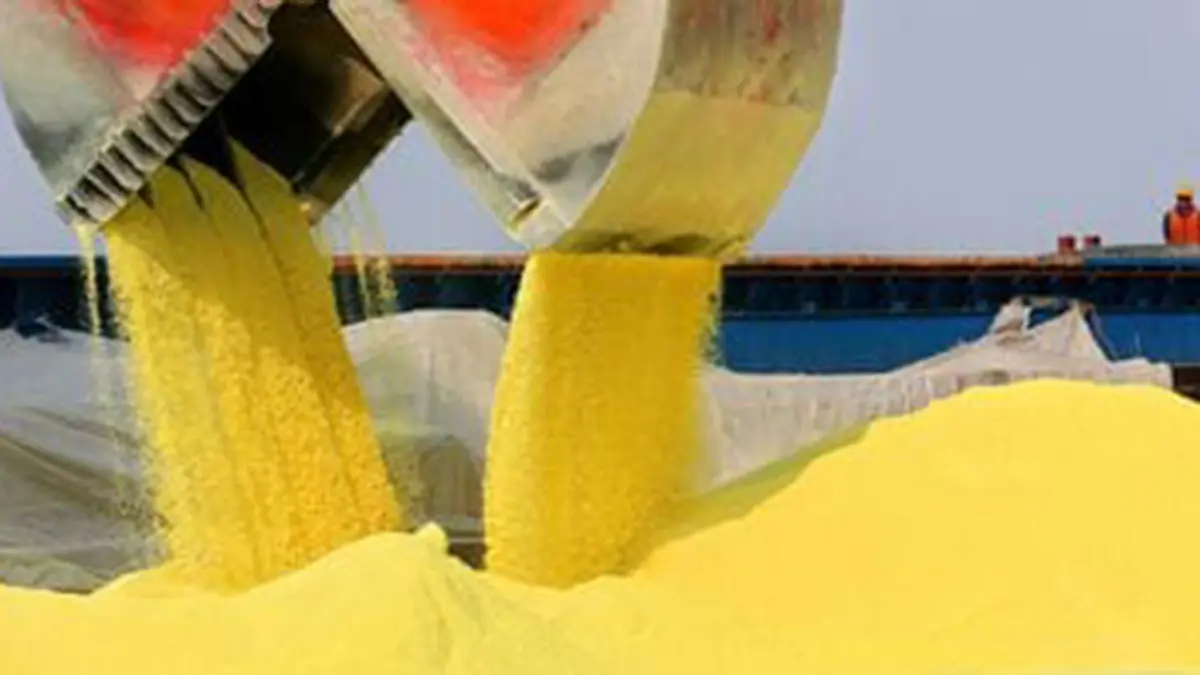
A sharp rise in sulphur prices is adding pressure to India's fertiliser supply chain. The Indian Express reported on 21 September that landed import quotations had reached roughly US$1,050–1,100 per tonne, including ocean freight. Its account linked the squeeze to disruptions affecting oil and gas infrastructure and stronger demand from nickel processing. Sulphur matters because manufacturers convert it into sulphuric acid, an important input for phosphate fertilisers. A problem beginning in energy production or metal processing can therefore affect the cost of supplying farmers. The figures describe reported import-market quotations, not a government-notified retail fertiliser price. Individual contracts and the eventual burden on farmers involve additional factors.
The element behind the industrial input
Sulphur is a non-metallic chemical element with the symbol S and atomic number 16. Its familiar elemental form is a yellow solid. It occurs in different chemical compounds as well as in elemental deposits, so the word does not always refer to the same industrial product. Elemental sulphur, sulphur dioxide and sulphuric acid have different properties and uses. Moving between them requires chemical processing rather than a simple change of packaging.
One important route begins by burning sulphur to form sulphur dioxide. Industrial processing converts that gas further before producing sulphuric acid. The acid is highly useful because it can react with mineral raw materials that are otherwise difficult to use directly. The Royal Society of Chemistry identifies fertiliser manufacture among its major applications. Sulphur is also used in processes such as rubber vulcanisation, which changes rubber's material properties.
Why oil and gas disruption affects sulphur
A large part of industrial sulphur supply is recovered while processing petroleum and natural gas. Removing sulphur-containing compounds helps meet fuel-quality and pollution-control requirements. Metal smelting can also produce sulphur-bearing gases that are captured for acid manufacture. The United States Geological Survey describes these by-product sources in its 2026 mineral assessment. Sulphur supply is consequently tied to activity in industries whose main product may be fuel or metal, not sulphur itself.
This creates a supply constraint that differs from opening a dedicated mine. A higher sulphur price does not instantly allow a refinery or gas-processing plant to increase output independently of its main operations. Disruption to processing, ports or transport can therefore affect deliveries even when demand remains strong. The September report's price explanation should be read in this setting. It identifies pressures, but does not measure the separate contribution of each disruption to every dollar of the increase.
From sulphuric acid to phosphate fertiliser
Phosphate rock contains phosphorus, but converting it into widely used fertilisers requires industrial treatment. In the wet-process route, sulphuric acid reacts with phosphate rock to produce phosphoric acid. That acid can then react with ammonia to make diammonium phosphate (DAP). The manufacturing chain therefore connects a sulphur input with a fertiliser valued for its phosphorus and nitrogen. It does not mean that sulphur, phosphorus and nitrogen are interchangeable nutrients.
The Indian Farmers Fertiliser Cooperative's Paradeep safety report describes linked sulphuric-acid, phosphoric-acid and fertiliser operations. Its process account shows why a shortage or cost increase upstream can matter to the finished product. A plant may have labour, equipment and orders but still depend on the availability of a chemical input. The final cost also includes other raw materials, energy and transport, so sulphur alone cannot explain the entire fertiliser price.
Nickel adds another source of demand
Sulphuric acid also supports some methods of extracting nickel from laterite ores. High-pressure acid leaching treats suitable ore with acid under elevated pressure and temperature to bring valuable metals into solution. This is a processing route, not a description of every nickel mine. The geological survey's 2026 assessment identifies expanding nickel-related acid demand as a factor shaping the sulphur market. The September reporting highlights Indonesia's role in that demand.
Nickel is used in stainless steel and in some battery chemistries, but neither use means that every battery depends on nickel. The relevant connection here is competition for an industrial reagent. Fertiliser and metal producers may need the same acid even though their final customers are entirely different. That shared requirement can transmit demand from one sector into another's input costs. Farmers and battery manufacturers can thus be connected indirectly through chemical supply chains.
A plant nutrient and a manufacturing input are different roles
Sulphur is also needed by crops themselves. The Indian Council of Agricultural Research explains its role in sulphur-containing amino acids and proteins. Plants commonly take it up through roots in sulphate form. This nutritional role is distinct from sulphuric acid's use inside a fertiliser factory. Recognising both roles avoids assuming that an increase in industrial acid demand automatically indicates a new sulphur deficiency in agricultural soils.
For procurement, the immediate questions are delivery reliability, inventories, alternative suppliers and the total cost of the production chain. For crop nutrition, the questions concern soil conditions and the crop's requirements. They require different evidence and decisions. An international commodity-price report cannot by itself prescribe a farmer's fertiliser dose. Equally, the presence of a useful nutrient in nature does not remove the manufacturing and transport constraints faced by industry.
Conclusion
The sulphur squeeze shows how closely energy, metals and agriculture are connected through intermediate chemicals. The reported price rise matters because it reaches fertiliser production through sulphuric and phosphoric acid. Understanding that chain is more useful than treating sulphur as an isolated commodity. Supply planning must distinguish the reported market shock from its eventual effect on production, government support and the prices farmers actually pay.