

Why in news?
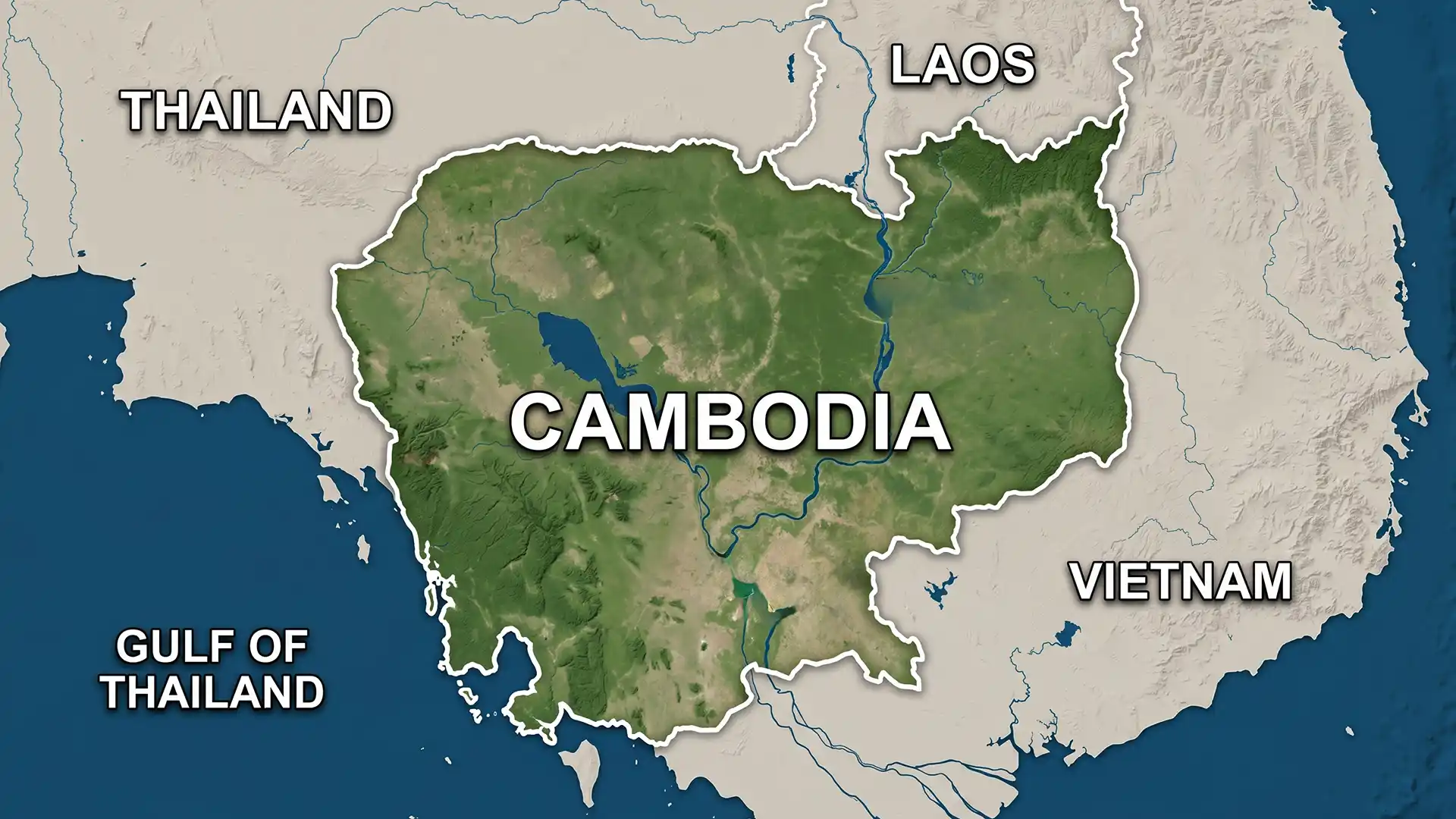
On 3 June 2026 the National Payments Corporation of India’s international arm (NIPL) and Cambodia’s ACLEDA Bank launched acceptance of the Unified Payments Interface (UPI) in Cambodia. The first phase of the cross‑border QR linkage allows Indian travellers to make payments at more than 4.5 million Cambodian merchant outlets using their UPI apps.
Background
UPI is an instant real‑time payment system developed by the National Payments Corporation of India (NPCI). It enables peer‑to‑peer and merchant payments through mobile phones by scanning a QR code or entering a virtual payment address. After gaining popularity in India, UPI has been extended to Singapore, the United Arab Emirates, France, Mauritius, Nepal, Bhutan, Qatar and Sri Lanka. With Cambodia’s adoption, the number of countries accepting UPI rises to nine.
The Cambodia linkage uses the Bakong KHQR system, the country’s national QR code. Indian travellers can scan these codes at shops, restaurants and tourist attractions to pay directly from their bank accounts. In the next phase, Cambodian citizens visiting India will be able to use their domestic apps to pay by scanning UPI QR codes, creating a two‑way interoperable payment corridor.
Benefits of the UPI–Cambodia partnership
- Convenience for travellers: Tourists no longer need to carry large amounts of cash or exchange currency. Payments are settled instantly in rupees via familiar UPI apps.
- Boost to tourism and trade: Cambodian merchants gain access to millions of Indian consumers. Seamless payments encourage more travel, shopping and cultural exchanges between the two countries.
- Financial inclusion: Local businesses benefit from digital payments, improved cash management and reduced reliance on physical currency. The partnership supports Cambodia’s own digitalisation goals.
- Global recognition: The rapid expansion of UPI underscores India’s leadership in low‑cost, interoperable payments. It aligns with the G20 roadmap for cheaper and faster cross‑border transactions.
Conclusion
The UPI–KHQR linkage marks a new chapter in India’s digital diplomacy. By extending a trusted payment system abroad, India supports its citizens overseas and strengthens economic ties. As more countries adopt UPI, cross‑border payments may become as seamless as domestic transactions, benefiting travellers and businesses alike.