

Supreme Court asks why totaliser cannot replace booth-wise vote counting
తెలుగు version is not ready yet. Showing English.
Where it stands
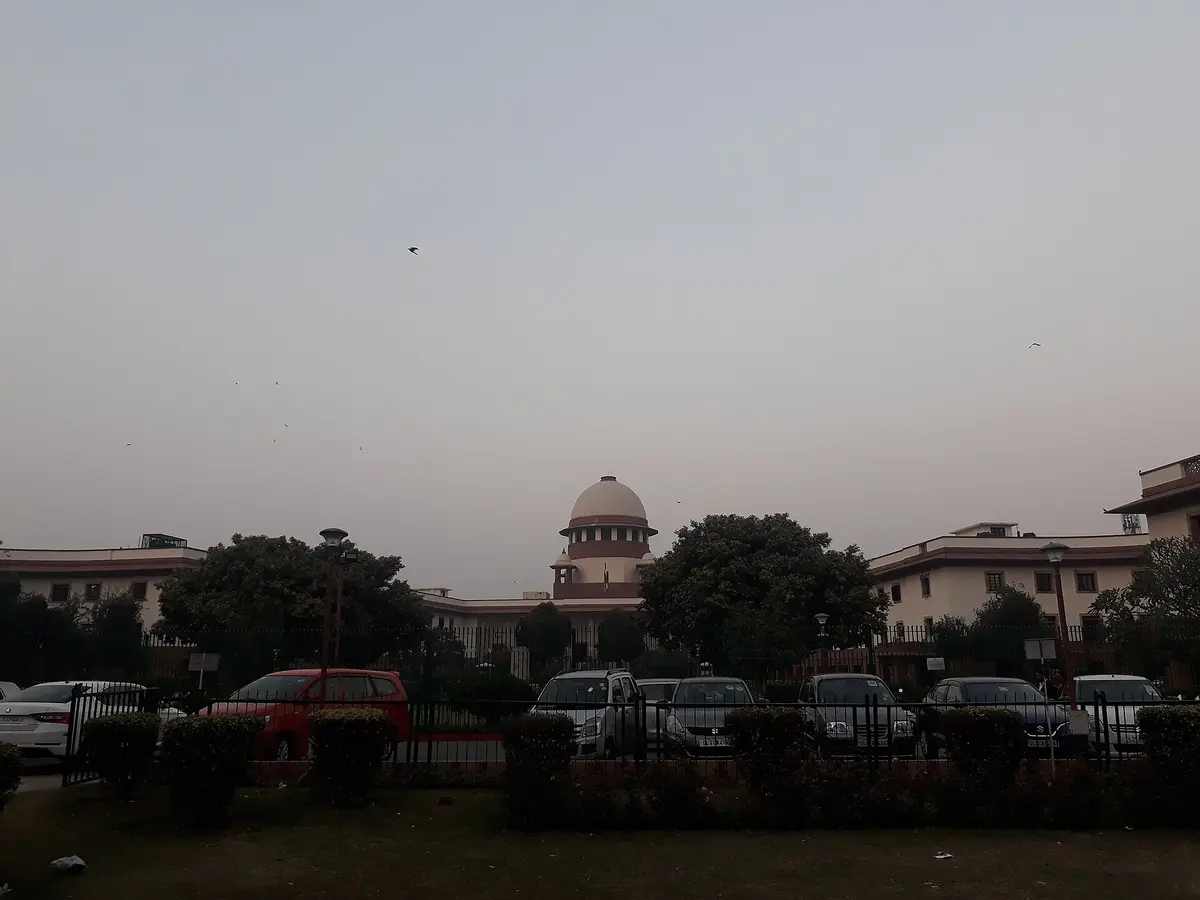
On 1 September 2026 the Supreme Court heard petitions for a totaliser. A totaliser mixes the votes of about 14 booths before anyone sees the result. The bench had Chief Justice Surya Kant, Justice Joymalya Bagchi and Justice V Mohana. The Court asked the Union government to state any impediments to a totaliser. The Court also asked whether a totaliser would have any negative impact. The Court asked the Election Commission of India (ECI) to send the Union government a proposal. The Union government will take a call on that proposal. The Court did not order the use of totalisers. The Court will hear the case again after the Union government replies.
Rewritten since you last read
Background
At present, counting staff count votes booth by booth. The staff press the result button on each electronic voting machine (EVM). The votes for each candidate from that booth go into Part II of Form 17C. Everyone at the counting table can then see how each booth voted. A totaliser is a device that connects a group of EVMs. The totaliser shows one combined count for the whole group. The Election Commission of India proposed totalisers in a letter dated 21 November 2008. The Law Commission of India supported the idea in the 255th Report of March 2015.
How it developed
-
2008 to August 2026How it started
How the totaliser proposal began in 2008
On 21 November 2008 the Election Commission of India (ECI) wrote to the Law Ministry. The ECI asked for a rule change to allow a totaliser for EVM counting. In March 2015 the Law Commission's 255th Report supported the totaliser. The Law Commission proposed a change in Rule 66A of the Conduct of Elections Rules. On 5 March 2018 the Union government told the Supreme Court about a fear of data leaks. An expert committee set up by the government did not support the proposal. The ECI later gave the Supreme Court a written statement opposing the totaliser.
-
1 Sep, 14:21 ISTNew fact
Supreme Court asks why a totaliser cannot replace booth-wise counting
On 1 September 2026 a three-judge bench heard the totaliser petitions. The bench had Chief Justice Surya Kant, Justice Joymalya Bagchi and Justice V Mohana. Advocate Ashwini Kumar Upadhyay argued for the petitioners. Upadhyay said booth-wise results expose voters to threats after the poll. Justice Bagchi said Rule 59A already allows the mixing of paper ballots. Justice Bagchi asked why the same idea cannot apply to EVMs.
-
1 Sep, 14:40 ISTOfficial response
ECI says a totaliser needs a change in the law. Court seeks the Union's stand.
Senior Advocate Dama Seshadri Naidu appeared for the ECI. Naidu said the ECI supports the aim of keeping voter choice secret. Naidu said a totaliser would need changes in the law. Naidu said agents could then not check the count against Form 17C. Chief Justice Kant asked what the impediments are, if any. The Court asked the ECI to send a proposal to the Union government. The Court said the Union government shall take a call on the proposal. The Court will hear the case again after the government replies.
Why it matters for UPSC
The story falls under General Studies Paper 2, elections and the Election Commission of India. The exam may test secrecy of the ballot at the counting stage. Do not confuse the Court's question with a Court order to use totalisers.
Key terms
Sources (7)
- Law Commission of India · official · Report No. 255, Electoral Reforms (March 2015), Chapter XIII: Totaliser for Counting of Votes01:21
- Law Commission of India · official · Electoral Reforms: reports list (Report No. 255, Electoral Reforms, 2015)01:21
- Conduct of Elections Rules, 1961 · official · The Conduct of Elections Rules, 1961 (Rules 56C, 59A and 66A)01:27
- LiveLaw · Why Can't Totalizer Method Be Used To Count Votes Instead Of Booth-Wise Counting? Supreme Court Asks Union, ECI01:16
- Bar and Bench · Supreme Court asks Centre to examine introduction of totalisers for EVM vote counting01:16
- The Tribune · Spell out stand on introducing 'totaliser' system for counting votes recorded in EVMs, SC asks Centre01:16
- ANI · Totaliser system for vote counting: SC seeks Centre's response01:21