

Why in news?
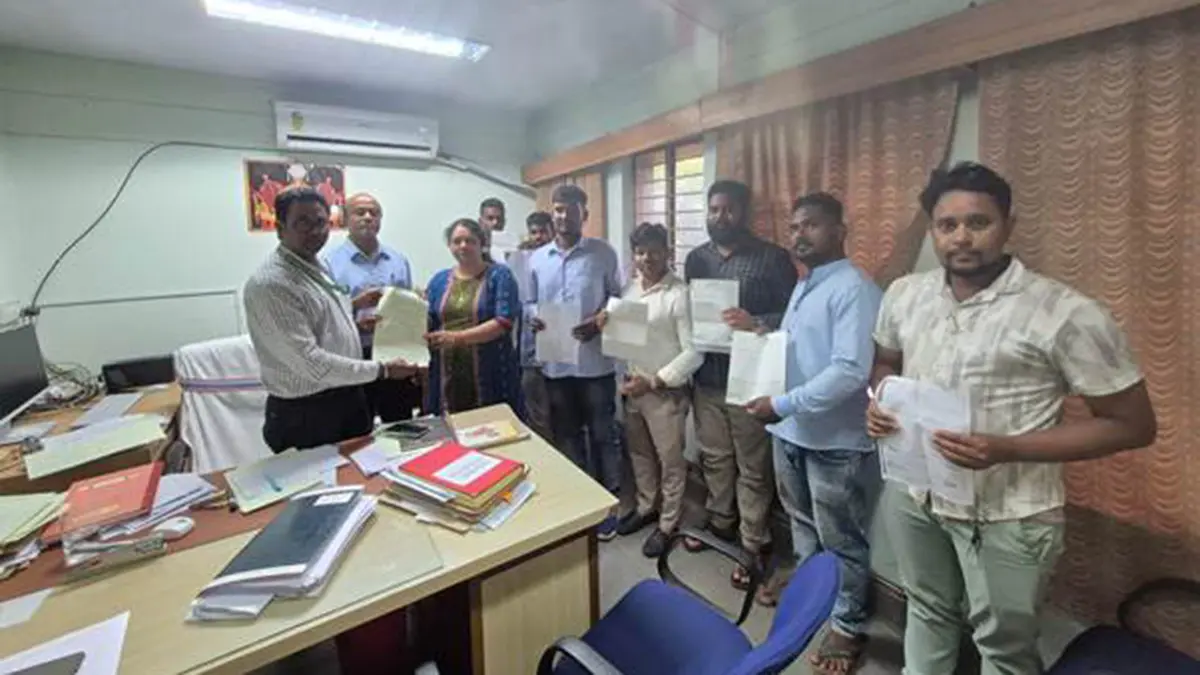
- The Chief Labour Commissioner (Central) organisation recently featured in news for holding awareness programmes on labour laws and grievance redressal across several cities.
- The programmes highlight the government’s commitment to improving labour welfare and industrial harmony.
- These initiatives reflect renewed focus on enforcing labour laws and promoting harmonious relations between employers and workers.
Background
The Chief Labour Commissioner (Central) — sometimes called the Central Industrial Relations Machinery — is an apex body for labour relations under the Ministry of Labour and Employment. It was created in April 1945 following recommendations of the Royal Commission on Labour. The organisation merged several earlier offices like conciliation officers and welfare advisers in the railways. It started with a Chief Labour Commissioner in New Delhi, three regional commissioners in Mumbai, Kolkata and Lahore and a team of conciliation officers and labour inspectors. The main objective was to prevent and settle industrial disputes, enforce labour laws and promote the welfare of workers in the central sphere.
Functions and importance
- Conciliation: The organisation mediates industrial disputes between employers and workers. By facilitating dialogue, it prevents strikes and lockouts and maintains industrial peace.
- Enforcement of labour laws: Labour inspectors ensure compliance with minimum wage laws, social security regulations, contract labour rules and other labour welfare legislation. Violations are addressed through notices and legal action.
- Grievance redressal: Field offices receive complaints from workers. They conduct investigations and ensure timely resolution, which helps prevent exploitation.
- Awareness programmes: The office organises camps and workshops to educate employers and workers about their rights and obligations. Recent programmes in cities like Jabalpur and Bhubaneswar emphasised issues such as wage payments, occupational safety and gender equality.
- Labour statistics and reports: The organisation collects data on labour conditions, industrial disputes and employment trends. This information assists policy‑makers in drafting effective labour laws.
Conclusion
The Chief Labour Commissioner (Central) plays a vital role in maintaining industrial harmony and protecting workers’ rights in sectors governed by the central government. By enforcing labour laws, facilitating conciliation and spreading awareness, it helps create a fair and productive work environment. Ongoing capacity building and modernisation will strengthen its ability to address emerging labour challenges.
Source: PIB