

Why in news?
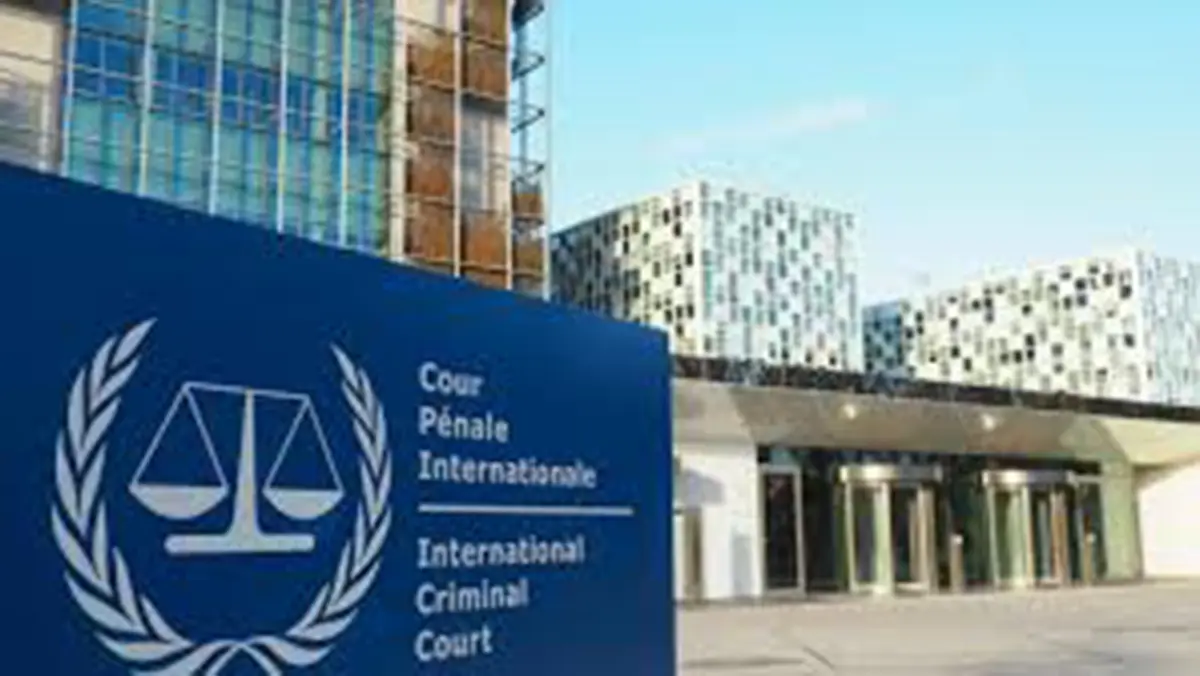
The International Criminal Court (ICC) has scheduled a confirmation‑of‑charges hearing for 19–21 May 2026 in the case against Khaled Mohamed Ali El Hishri. He is accused of committing war crimes and crimes against humanity at the Mitiga prison in Tripoli, Libya, between 2014 and 2020.
Background
The ICC is a permanent international court set up in 2002 by the Rome Statute to prosecute individuals for genocide, crimes against humanity, war crimes and the crime of aggression. As of early 2026, around 125 countries are parties to the statute. Major powers such as China, India, Russia and the United States have not joined.
The court has jurisdiction only when national courts are unwilling or unable to prosecute. It is funded by contributions from member states and governed by an Assembly of States Parties. Cases are investigated by the Office of the Prosecutor and heard by 18 judges representing different regions.
The case of Khaled Mohamed Ali El Hishri
- El Hishri, a Libyan national, allegedly served as director of the Mitiga prison between 2014 and 2020. The ICC prosecutor accuses him of 17 counts of war crimes and crimes against humanity, including murder, torture, rape, enslavement and persecution based on political, religious, ethnic or gender grounds.
- The charges cover abuses committed against more than 900 detainees, many of whom were migrants transiting through Libya.
- An arrest warrant for El Hishri was issued in July 2025. German authorities arrested him six days later, and he was transferred to the ICC’s custody in December 2025. Another suspect, Osama Elmasry Njeem, remains at large.
- This is the first case in the ICC’s long‑running Libya investigation to address crimes against migrants in detention centres. The hearing will determine whether enough evidence exists to proceed to trial.
About the International Criminal Court
- The ICC was born out of the international community’s desire to prevent impunity after ad hoc tribunals for Rwanda and the former Yugoslavia. The Rome Statute was adopted in 1998 and came into force in 2002.
- The court can prosecute individuals—regardless of official position—when crimes are committed on the territory of a member state or by its nationals, or when referred by the United Nations Security Council.
- The ICC has opened more than two dozen investigations in countries such as Uganda, the Democratic Republic of Congo, Sudan (Darfur) and the Central African Republic. It has secured a handful of convictions but has faced criticism for slow proceedings and perceived bias.
Conclusion
The upcoming hearing in the El Hishri case highlights the ICC’s continuing relevance in addressing grave crimes. It also tests the willingness of states to cooperate: Germany surrendered the suspect, while other governments have been reluctant. The case underscores both the promise and the challenges of international criminal justice.