

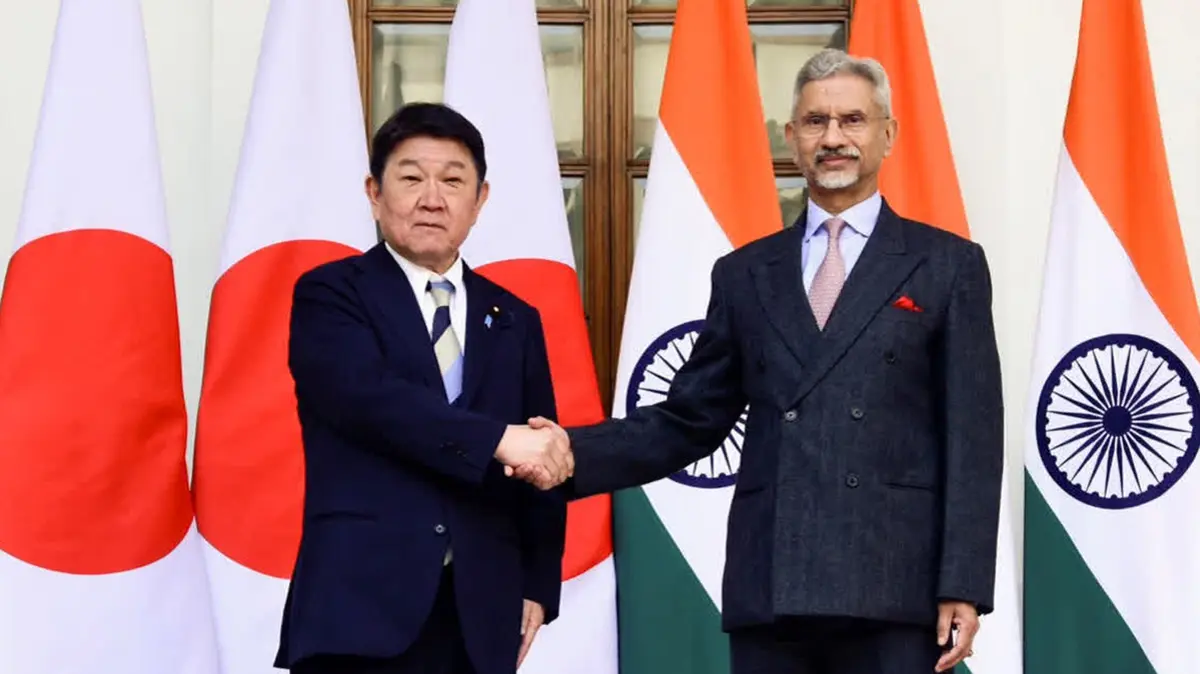
Why in news?
On 8 June 2026 India and Japan adopted the rules of implementation for their Joint Crediting Mechanism under Article 6.2 of the Paris Agreement. The mechanism will allow the two countries to jointly develop low‑carbon projects and share the resulting emission reductions. The new rules establish governance arrangements for approving projects and issuing credits.
Background
Japan launched the Joint Crediting Mechanism (JCM) in 2013 to help partner countries reduce greenhouse‑gas emissions while contributing to Japan’s own climate goals. It encourages Japanese companies to invest in clean technologies overseas and shares verified emission reductions between the host country and Japan. As of 2026, Japan has signed partnership documents with thirty‑two countries. India joined the programme in 2025 and has been working with Japan to finalise operational rules. The adoption of the implementation framework marks a key step towards launching projects.
Key provisions of the new rules
- Joint committee: Representatives from India and Japan will form a committee to approve methodologies, projects and credit issuance.
- Project approval: Projects must undergo national approval in both countries and demonstrate consistency with sustainable development goals.
- Third‑party verification: Independent entities will validate emissions baselines and verify reductions before credits are issued.
- National registries: India and Japan will maintain registries to track credits and avoid double counting.
- Sustainable development safeguards: Projects must address environmental and social impacts and support local capacity building.
Conclusion
The Joint Crediting Mechanism offers India access to advanced low‑carbon technologies and finance while helping Japan meet its emission targets. Clear rules on governance and verification will build trust and ensure environmental integrity. As the two countries move forward, the JCM could catalyse investments in renewable energy, energy efficiency and waste‑management projects across India.