

Why in news?
The Union Health Ministry reviewed India’s malaria elimination programme on 28 August. Official data show cases and deaths fell nearly eighty per cent during 2015–2025. High-burden districts declined from 155 to 33. The review called for targeted action, better surveillance and complete treatment.
What the review found
The meeting covered thirty-three high-burden districts across nine states and Union Territories. These districts reported 64 per cent of national cases during 2025. They also accounted for 54 per cent of deaths. This concentration allows programmes to target limited resources.
The areas lie in Mizoram, Odisha, Tripura, Assam and Andhra Pradesh. They also include the Andaman and Nicobar Islands, Chhattisgarh, Jharkhand and Maharashtra. Geography and health access differ greatly across them. One uniform intervention would therefore be inadequate.
During 2022–2025, 160 districts reported no indigenous case. An indigenous case results from local transmission, not infection acquired elsewhere. Zero local cases remain vulnerable to reintroduction. Surveillance must continue after transmission appears interrupted.
What causes malaria
Malaria is caused by parasites of the genus Plasmodium. Five species commonly infect humans. Plasmodium falciparum can progress to severe disease quickly. Plasmodium vivax can remain dormant in the liver and cause relapses.
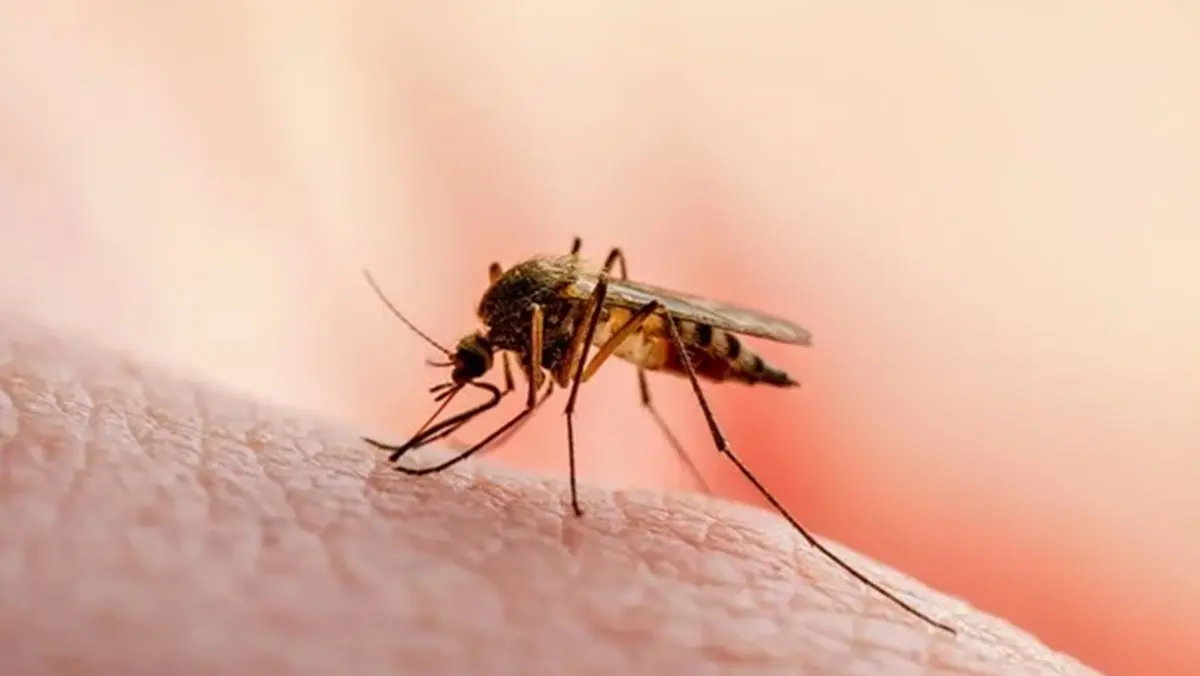
Infected female Anopheles mosquitoes usually transmit the parasite. A mosquito injects parasites while taking a blood meal. The parasites first multiply in the liver. Later stages infect red blood cells and cause symptoms.
Malaria does not spread through ordinary personal contact. Infected blood, shared needles or pregnancy can rarely transmit it. Initial symptoms often begin after ten to fifteen days. Fever, chills and headache can resemble many other illnesses.
Why early diagnosis matters
Untreated falciparum malaria can become severe within one day. Warning signs include confusion, seizures and breathing difficulty. Dark urine, jaundice and abnormal bleeding may also occur. Severe symptoms require urgent hospital care.
The World Health Organization recommends confirming suspected cases with parasite-based tests. Microscopy can identify parasites and estimate density. Rapid diagnostic tests help where laboratories are limited. False negatives remain possible when target proteins are absent or parasite levels are low.
India’s programme follows a Test, Treat and Track approach. Testing should lead quickly to the correct full treatment. Tracking finds contacts, locations and gaps in response. Delayed treatment can increase both death and onward transmission.
Treatment requires species and patient information
Artemisinin-based combination therapy treats most falciparum malaria. Chloroquine works for vivax malaria only where parasites remain sensitive. Primaquine can clear dormant liver stages of vivax and ovale malaria. It can harm people with certain glucose-6-phosphate dehydrogenase deficiencies.
Pregnancy, age and disease severity affect drug selection. National protocols also reflect local resistance. Medicines should therefore follow a confirmed diagnosis and professional advice. A general article cannot prescribe a personal regimen.
Completing treatment protects the patient and programme. Partial treatment may leave parasites and encourage resistance. Drug supply must reach remote facilities without interruption. Community workers need practical instructions for referral and follow-up.
Geography of the remaining burden
Many high-burden districts contain forests, hills or tribal communities. Settlements can be dispersed and health facilities distant. Seasonal workers may move across district and state boundaries. Such conditions can delay testing and follow-up.
The Andaman and Nicobar Islands add a maritime access challenge. North-eastern states combine high rainfall, forest and international borders. Central Indian districts may include mining and mobile labour. Local action plans must reflect these distinct settings.
Mosquito breeding also varies by species and landscape. Waterlogging may matter in one area, while forest exposure matters elsewhere. Temperature and rainfall change the transmission season. District data should guide timing and methods.
Prevention and community action
Insecticide-treated bed nets reduce bites during sleeping hours. Indoor residual spraying can kill mosquitoes resting on walls. Both require correct use and monitoring for insecticide resistance. Environmental management should remove avoidable breeding sites without damaging useful wetlands.
The Health Ministry asked rural and urban departments to work together. Panchayati Raj Institutions can identify waterlogging and fever clusters. Self-help groups and volunteers can improve early reporting. Community trust is vital when teams conduct active testing.
Travel history should be recorded in zero-transmission districts. Imported cases need prompt treatment. Health workers should investigate whether local mosquitoes caused secondary cases. Elimination requires stopping transmission while protecting individual patients.
Why data quality is a public-health issue
The review questioned unusually high Annual Blood Examination Rates. Duplicate tests and repeated entries can inflate this measure. Mass screening may also detect people without symptoms. Such cases should be reported separately under programme rules.
The Annual Parasite Incidence depends on accurate case and population numbers. Poor classification can hide a hotspot or create false improvement. Districts need routine data audits and laboratory quality checks. Honest correction is more useful than impressive but unreliable figures.
Elimination is not the same as permanent absence of risk. The World Health Organization requires continuing measures against re-establishment. Countries seek certification after at least three years without indigenous cases. India’s 2030 target therefore demands sustained evidence, not one low season.
Elimination does not mean no imported infection
It means deliberate interruption of local transmission in a defined area. Surveillance and rapid response must continue to prevent re-establishment.
Conclusion
India’s decline in malaria burden is substantial but uneven. The remaining cases are concentrated in difficult and diverse settings. Testing, complete treatment and local vector control must work together. Accurate classification is essential for judging genuine interruption. Elimination by 2030 will depend on protecting gains after districts reach zero.