

Why in news?
A labour dispute at Pakal Dul Hydroelectric Project ended through conciliation; the Regional Labour Commissioner (Central), Jammu, led the process. Larsen & Toubro Construction had engaged the workers through subcontractors. An agreement on 13 July 2026 ended their union’s strike.
On 30 July, 210 workers received terminal benefits totalling ₹1,12,70,560. Payments covered retrenchment compensation, bonus, leave encashment and notice pay.
Other admissible dues were included as well; the Kissan Mazdoor Union, Nagseni, had called the strike.
The project and its ownership
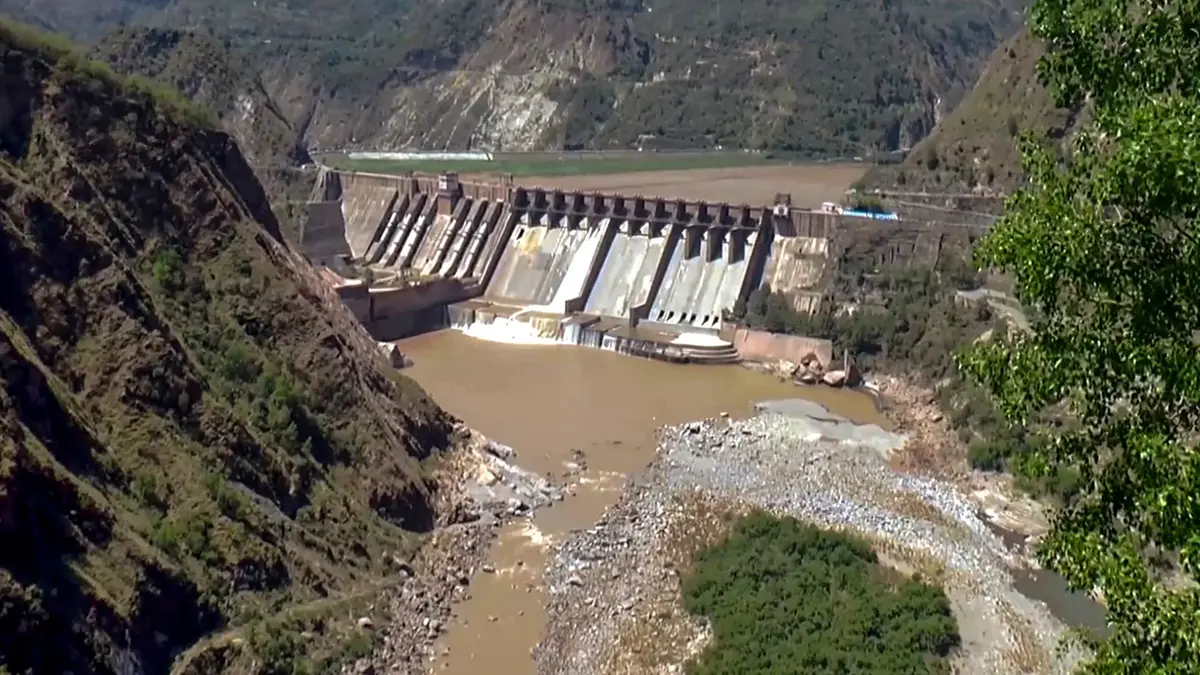
Pakal Dul is a 1,000-megawatt hydropower project under construction; it stands on the Marusudar, a Chenab tributary. The site lies in Jammu and Kashmir’s Kishtwar district. It is about 45 kilometres from Kishtwar town.
The official design includes a 167-metre concrete-face rock-fill dam; an underground powerhouse will contain four 250-megawatt units.
A 2018 foundation-stone release called Pakal Dul Jammu and Kashmir’s first storage hydropower project. It gave a design generation figure.
The project could generate about 3,330.18 million units in a 90 per cent dependable year. This is an official design estimate; some secondary summaries incorrectly call Pakal Dul a run-of-river scheme. Storage allows operators to shift generation and meet peak demand.
However, a reservoir creates wider environmental, social and safety duties. The incorrect label understates those obligations.
Chenab Valley Power Projects Limited, or CVPPL, is the developer; its current official site records two shareholders.
NHPC Limited holds 51 per cent; it was originally incorporated as the National Hydroelectric Power Corporation Limited. Jammu and Kashmir State Power Development Corporation holds the remaining 49 per cent. This is the current ownership structure.
A 2018 government release recorded a different 49:49:2 structure. PTC India Limited then held the two per cent share.
PTC India was formerly the Power Trading Corporation of India Limited. Quoting the old shares without a date would mislead.
Why the labour settlement is significant
Large infrastructure projects use long contracting chains. Principal contractors, subcontractors and labour suppliers may all employ temporary workers. This structure can blur responsibility for records and statutory payments. Communication may also fail when a work package ends.
The Pakal Dul settlement shows the practical value of conciliation. A public authority brought management and worker representatives together.
The process ended the strike; it also converted disputed entitlements into a recorded payment.
The outcome is not a substitute for regular compliance. Terminal benefits are legal and contractual dues, not charity; a settlement can restore work after a strike. Prevention is better for workers and the project.
Workers need written terms, wage slips and social-security registration; they also need safety training, grievance access and timely notice.
Principal employers must monitor every subcontracting tier. Project and reputational risks do not end with the first contract.
Public reporting can improve accountability. Companies could disclose workforce totals by contractor and the number of serious accidents. They should also report safety audits and accommodation standards. Grievance and settlement status can be published without personal data.
Remote Himalayan construction creates additional dangers. Medical response and tunnel ventilation are as important as wage administration.
Slope stability, transport safety and extreme-weather plans also need close attention; these safeguards should operate throughout construction.
Energy, ecology and international context
Storage hydropower can supply low-carbon electricity and respond quickly to demand; it can complement variable solar and wind generation. Construction may improve roads, local procurement and skilled employment. These benefits must be balanced against wider project impacts.
Reservoir submergence changes land and local access. Flow, sediment, muck disposal, forests and habitats also need assessment.
Slope instability and seismic risk matter in this mountain setting. Nearby communities may face direct and indirect effects.
Environmental flows, catchment treatment and dam-safety planning must be credible. Rehabilitation cannot become a box-ticking exercise. The Chenab is a western river under the 1960 Indus Waters Treaty. The treaty grants Pakistan broad use subject to specified Indian uses.
India may build hydropower facilities under detailed design and operating conditions; the original framework therefore combines permission with constraints.
Location on a western river does not automatically make every Indian project a violation. Compliance depends on the treaty’s detailed rules.
The current diplomatic position is more contested. India announced in April 2025 that it would hold the treaty in abeyance. On 25 July 2026, the Ministry of External Affairs repeated this position; it attached a condition concerning cross-border terrorism.
India said abeyance would continue until Pakistan credibly and irrevocably ended such support. Pakistan rejects unilateral abeyance as unlawful.
Pakistan maintains that the treaty remains binding. Analysis must therefore separate the written treaty from both present official positions.
Whatever the legal outcome, Pakal Dul remains a storage project. Accurate technical information and downstream-risk management are especially important. Transparent engagement is equally necessary; it can reduce misinformation without deciding the legal dispute.
Hydropower’s legitimacy depends on how benefits and risks are shared. Jammu and Kashmir has interests in power access and revenue.
Downstream flow, local compensation and employment quality require equal attention. Basin-wide cumulative effects must also be assessed.
Separate approvals can miss important interactions. Dams, roads and transmission lines may combine across the same mountain landscape.
Two corrections worth retaining
Pakal Dul is officially a storage project, not a run-of-river scheme; its current joint venture has two shareholders. NHPC holds 51 per cent, and the Jammu and Kashmir corporation holds 49 per cent. The 49:49:2 structure is historical.
These distinctions affect both environmental analysis and institutional responsibility. They should remain explicit.
Conclusion
The settlement delivered terminal dues to 210 workers after conciliation. This is a concrete and verifiable gain. The wider project must combine reliable energy with fair labour practice. It also needs responsible transboundary-river and Himalayan risk management.
Completion milestones matter, but worker rights and safety matter equally; the resilience of the Chenab basin must guide long-term decisions.