

Why in news?
A recent Indian public-health discussion called for wider attention to Salmonella infections. The bacteria can cause typhoid, short intestinal illness or dangerous bloodstream infection. Many non-typhoidal cases may pass without laboratory testing. Drug resistance makes severe infections harder to manage.
Salmonella is a group, not one disease
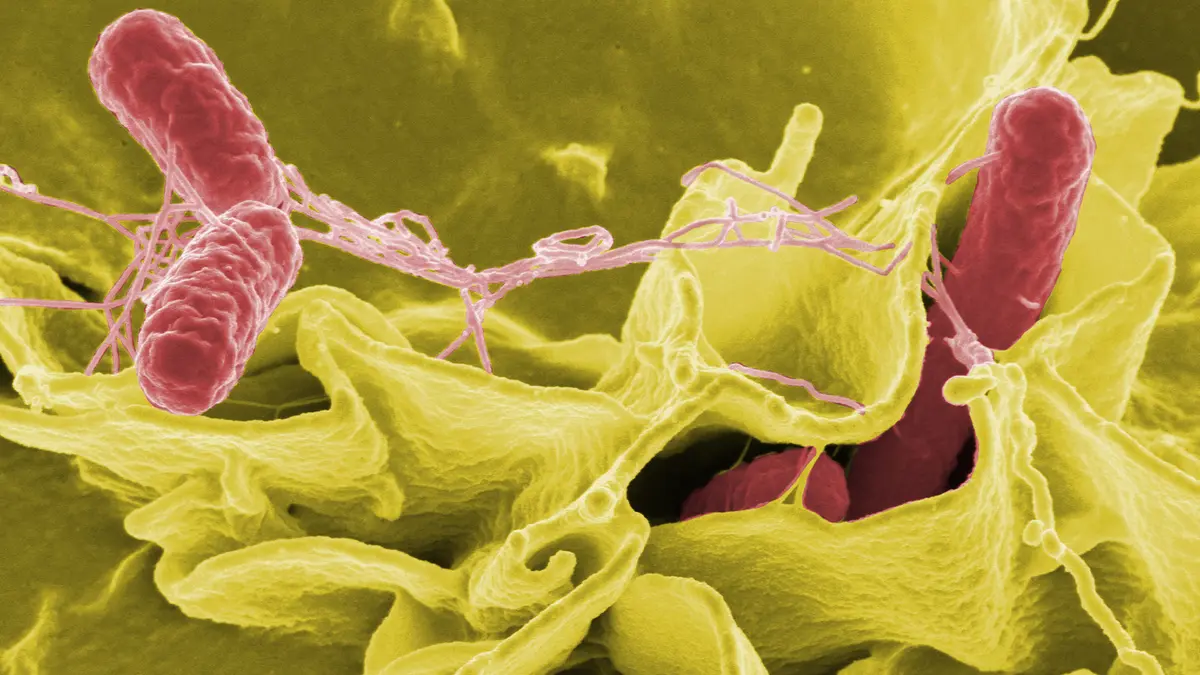
Salmonella is a genus of Gram-negative bacteria. It contains two recognised species and more than 2,500 serotypes. Different serotypes have different hosts and disease patterns. This variety explains why the name covers several clinical problems.
Salmonella enterica serotypes Typhi and Paratyphi cause enteric fever. Typhoid usually spreads through food or water contaminated by human faeces. Humans are the main reservoir for these serotypes. The infection can leave the intestine and cause a prolonged systemic illness.
Non-typhoidal Salmonella includes many other serotypes. They commonly cause acute gastroenteritis. Poultry, eggs, meat, milk and contaminated produce can carry them. Animals may carry the bacteria without obvious illness.
How non-typhoidal illness develops
Symptoms usually begin between six and 72 hours after ingestion. Fever, abdominal pain, diarrhoea, nausea and vomiting are common. Most healthy people recover within two to seven days. Fluids and electrolytes are the main treatment for uncomplicated illness.
Some infections spread beyond the intestine into the bloodstream. Young children, older adults and immunocompromised people face greater risk. Severe dehydration can also become dangerous. These patients may need hospital care and carefully selected antibiotics.
Mild infections often resolve before a sample is tested. They therefore remain missing from routine counts. The World Health Organization says many cases are sporadic or never diagnosed. Weak surveillance can hide both total burden and local outbreaks.
Why antibiotics need careful use
Routine antibiotics are not advised for mild or moderate illness in healthy people. Unnecessary treatment may fail to clear carriage completely. It can also select resistant bacteria. Antibiotics remain important when infection becomes invasive or affects a high-risk patient.
India’s antimicrobial surveillance separately tracks typhoidal Salmonella from blood samples. The 2024 network report found widespread poor susceptibility to ciprofloxacin. It also found stronger national susceptibility to several first-line medicines. Regional variation means treatment should follow culture and susceptibility results.
Typhoidal and non-typhoidal resistance should not be combined into one number. The organisms, samples and patient groups differ. Laboratories need enough capacity to identify serotypes and resistance. Prescribers then need timely reports for individual treatment.
A One Health problem
Non-typhoidal Salmonella moves across animals, food, people and the environment. Contamination can begin on a farm or during slaughter and processing. It can also occur in kitchens through unclean surfaces. Control therefore needs health, veterinary and food agencies to work together.
Feed quality, farm biosecurity and clean processing reduce early contamination. Food businesses must maintain hygienic systems through the supply chain. Surveillance should connect human isolates with food and animal samples. That connection can reveal a common source faster.
Practical prevention
Safe water and sanitation remain central for typhoid prevention. Food handlers should wash hands and stay away from work when ill. Raw and cooked foods must remain separate. Surfaces touching raw meat or eggs need proper cleaning.
The Food Safety and Standards Authority of India advises thorough cooking of meat and poultry. Its guidance uses 75 degrees Celsius as a safe minimum for these foods. Eggs should be cooked properly when used by vulnerable people. Perishable food requires prompt refrigeration.
Household care alone is not enough. Informal and formal food businesses need training, inspections and laboratory support. Authorities should investigate clusters promptly. Public warnings should identify the actual product and risk without creating unnecessary fear.
Typhoid and salmonellosis are related but different
Both involve Salmonella bacteria. Typhoid is a systemic human-reservoir infection caused by specific serotypes. Non-typhoidal salmonellosis usually begins as foodborne gastroenteritis and has a wider animal and environmental ecology.
Conclusion
India needs a broader view of Salmonella than typhoid alone. Mild foodborne illness and invasive infection form part of the same surveillance challenge. Better laboratories can expose hidden transmission. Safe water, food controls and antibiotic stewardship must work together. Prevention reduces illness and the need for antibiotics.