

Why in news?
Researchers published a large comparative study of gut bacteria among communities in India and Sri Lanka. The study included 575 healthy adults from ten communities. It used the South Asian MicroBiome ARray, or SAMBAR, dataset. Results show that urbanisation does not produce one uniform microbial change across South Asia.
Microbiota and microbiome
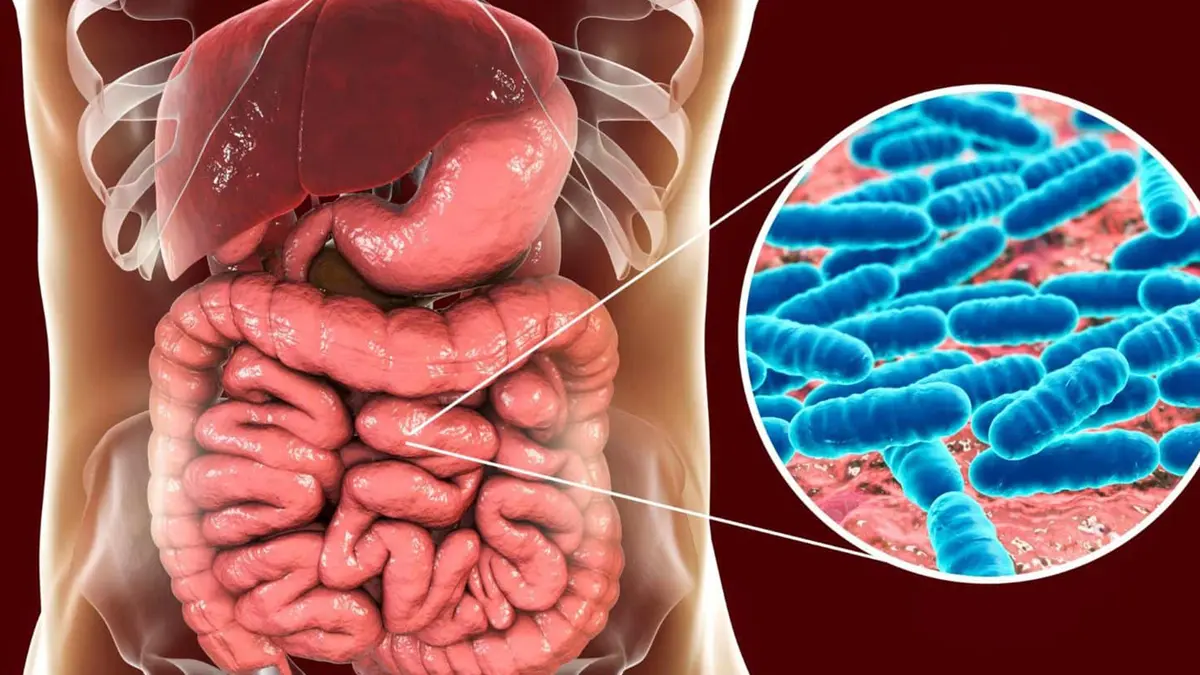
Gut microbiota means the microorganisms living in the digestive tract. The gut microbiome can also include their collective genetic material and functions. Bacteria form a major studied component. Viruses, fungi and other microorganisms are also present.
These organisms interact with diet, metabolism and the immune system. Some ferment fibres that human enzymes cannot fully digest. Their products can influence the intestinal lining and wider physiology. Effects depend on the microbial community and the host environment.
How the study was designed
The project studied ten geographically and culturally diverse communities. Sampling covered India and Sri Lanka. Each community included an ancestral rural setting and an associated urban group. This structure permitted comparison within closely related cultural settings.
This paired design helps separate urban living from broad community differences. The researchers analysed bacterial 16S ribosomal ribonucleic acid sequences. This method identifies bacterial groups through a commonly compared genetic marker. It does not provide a complete inventory of every gut organism.
The team compared the new data with global microbiome datasets. Birbal Sahni Institute of Palaeosciences researchers joined collaborators from India, Sri Lanka and the United States. The study appeared in the peer-reviewed journal Gut Microbes.
What the researchers found
Community membership and geography strongly shaped microbial composition. Rural-to-urban differences were not identical across all groups. Some changes reflected local diets and cultural practices. A single universal model of urbanisation therefore fitted the data poorly.
The study also found common associations with urban living. Certain bacterial groups previously linked with disease appeared more often in urban participants. Associations do not prove that those bacteria caused illness. Diet, medicine, sanitation and income may influence both microbiota and health.
Researchers identified microbial modules associated with wheat and dairying in some communities. They suggested these could assist adaptation where genetic lactase persistence remains uncommon. The explanation is biologically plausible but not final proof. Controlled studies would be needed to establish the mechanism.
Why geography and culture matter
India and Sri Lanka contain varied diets, climates and livelihood systems. Fermented foods, grains, animal products and fibre intake differ widely. Urban migrants may change several exposures together. Air pollution, antibiotics, stress and physical activity can also shift.
A result from one city cannot automatically represent the whole region. The ten communities add valuable diversity but do not sample every South Asian population. The paired structure strengthens comparison within groups. It does not make the dataset a national census.
Implications for health research
Microbiome-based diagnostics need appropriate reference populations. A bacterial pattern considered unusual elsewhere may be normal within another community. Diverse datasets can reduce misclassification. They can also reveal locally relevant questions about diet and metabolic health.
The results do not justify general probiotic prescriptions. Microbial functions can differ even among related organisms. Commercial products may not reproduce community-level patterns. Medical decisions still require clinical evidence for the specific intervention and condition.
Limits and next steps
The study is observational and largely cross-sectional. It identifies relationships at sampled points rather than long-term causal pathways. 16S sequencing has limited species and functional resolution. Metagenomic and metabolomic work can add more detailed evidence.
Repeated sampling could show how quickly migration changes microbiota. Detailed diet and medicine records would improve interpretation. Researchers should also examine whether microbial differences predict later health outcomes. Community consent and responsible data governance remain essential.
Association is not diagnosis
The study found population patterns and urbanisation associations. It did not establish that a particular bacterial profile causes disease in an individual. Clinical claims would require separate prospective and intervention studies.
Conclusion
SAMBAR broadens microbiome evidence beyond heavily studied Western populations. Its central lesson is that urbanisation follows several biological paths. Geography, diet and community history remain important. Future health tools must respect this diversity and establish causation carefully. The dataset is a foundation for research, not a ready clinical test.