

Why in news?
A wooden dhow carrying 18 Indian crew members caught fire near the Strait of Hormuz in early May 2026. The blaze, which injured four people and left one missing, drew attention to these traditional boats that still ply busy sea lanes. Indian diplomats in Dubai coordinated the rescue and medical care of survivors.
Background
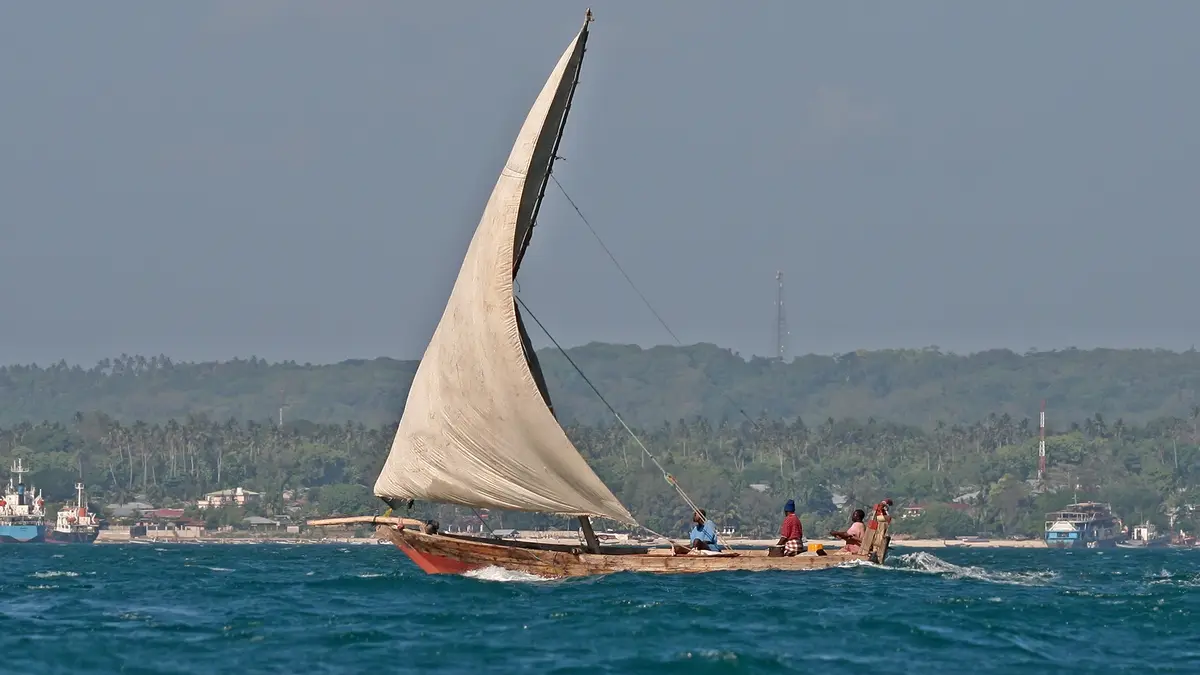
A dhow is a traditional wooden sailing vessel widely used for centuries in the Indian Ocean and Red Sea. Most have long, narrow hulls and carry one or more triangular lateen sails. Their origins are uncertain — some scholars attribute the design to Arab sailors, while others point to Indian shipbuilders. Historically, dhows carried spices, textiles and other goods between East Africa, the Arabian Peninsula and the western coast of India. Today they are still used for regional trade and fishing.
Traditional craftsmanship
In India the art of building large wooden dhows, known as Uru, has flourished in the coastal town of Beypore in Kerala for over a thousand years. Skilled craftsmen called Khalasis shape massive Malabar teak logs into majestic hulls without blueprints or modern machinery. Construction is labour intensive: a single Uru can take up to four years to complete and may require a team of forty artisans. Historically, Arab traders commissioned these vessels; some were so large they could carry hundreds of tonnes of cargo. Beypore authorities are seeking a Geographical Indication tag to protect this heritage craft.
Recent incident
- The fire occurred on a voyage from the United Arab Emirates towards India. Quick action by nearby ships and the Omani coast guard saved most crew members. The cause of the blaze is under investigation.
- Many dhows now use diesel engines instead of sails. Safety standards and fire‑fighting equipment vary, which can make accidents more serious.
- The incident has renewed calls for better regulation of wooden cargo vessels and training for crews, especially those operating in busy international waters like the Strait of Hormuz.