

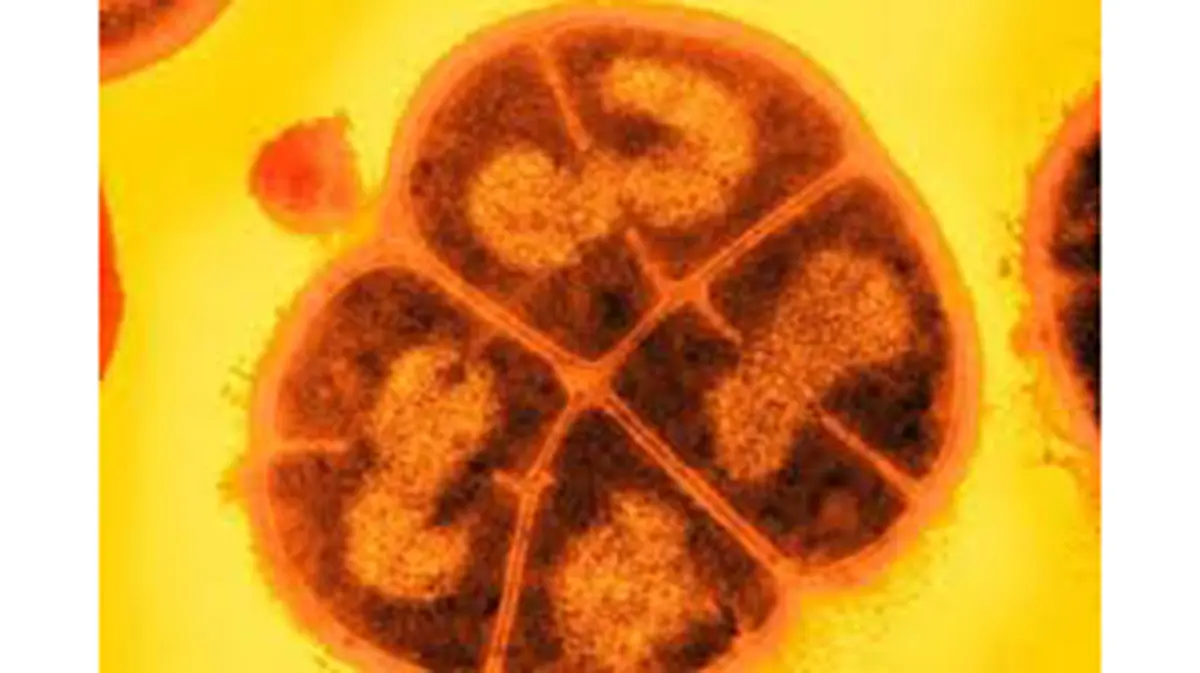
Why in News? Researchers reported that the bacterium Deinococcus radiodurans survived extreme pressures similar to those experienced when rocks are blasted off a planet by meteor impacts. The experiments show that about 60 % of cells remained viable at pressures up to 3 gigapascals (around 30 000 times atmospheric pressure), suggesting microbes might endure interplanetary travel.
Background
Deinococcus radiodurans is often called the “world’s toughest bacterium.” First isolated in the 1950s, it can withstand high doses of ionising radiation, desiccation, cold and vacuum. Its resilience comes from efficient DNA repair systems and protective proteins. Scientists study it to understand life’s limits and the possibility of panspermia—the transfer of life between planets.
Key Findings
- Simulated impacts: In laboratory tests, pellets containing the bacteria were subjected to rapid compression reaching pressures up to 3 gigapascals. Even at these extreme conditions, roughly 60 % of the cells survived.
- Gene expression: Survivors activated genes related to membrane repair and DNA protection, indicating that the microbes responded by prioritising repair over growth.
- Implications for panspermia: The results support the idea that microbes embedded in rocks could survive ejection from Mars or other planets during asteroid impacts. Such rocks might travel through space and seed life elsewhere.
- Extreme resilience: In addition to pressure, D. radiodurans tolerates desiccation, radiation and oxidative stress. These abilities make it a model organism for biotechnology and astrobiology.
The study underscores that simple life forms can endure conditions once thought lethal. This adds to the debate on whether life could have travelled between planets naturally.
Sources: Science Daily article on microbial survival under extreme pressure