

Why in news?
Drop shipping has gained attention as major e‑commerce firms and small entrepreneurs adopt the model to reduce costs. A number of regulatory cases in Europe have also highlighted the need for transparency when goods are shipped directly from overseas suppliers.
Background
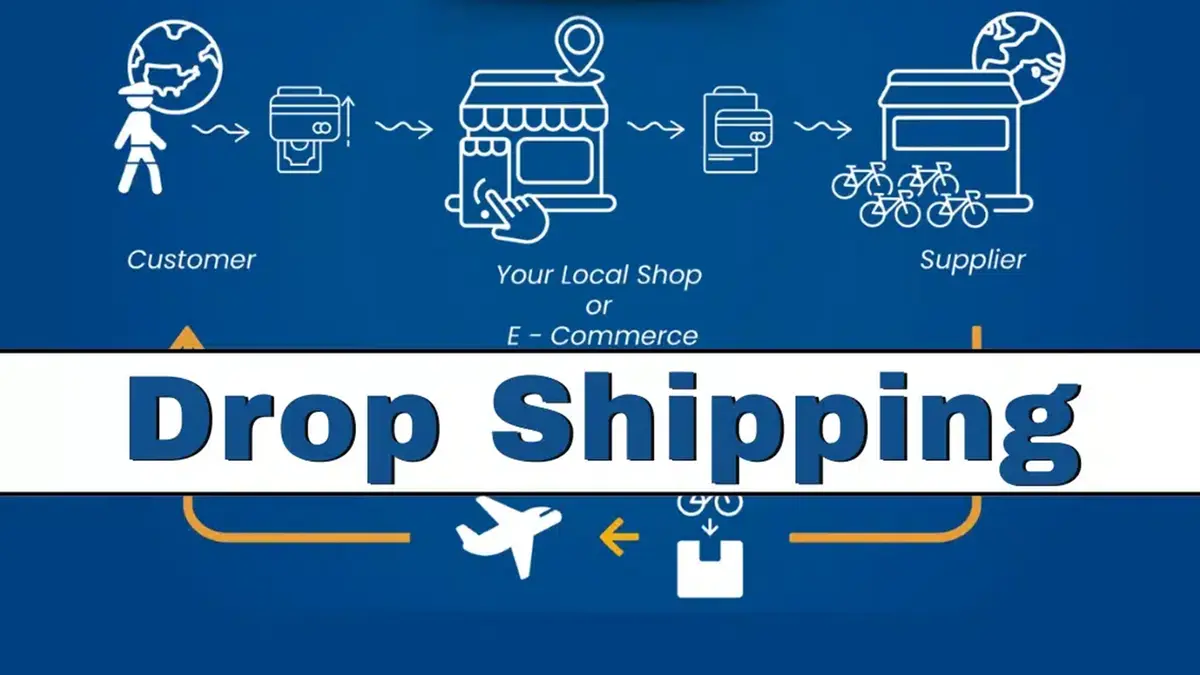
Drop shipping is a retail arrangement in which a seller accepts orders without keeping products in stock. When a customer places an order, the seller forwards the details to a third‑party supplier, who then ships the product directly to the customer. The seller earns the difference between the sale price and the wholesale cost. The model attracted entrepreneurs because it requires little capital and no warehouse space. However, it also means the seller has limited control over product quality and delivery time.
How drop shipping works
- Supplier agreement: The retailer signs a contract with a manufacturer or wholesaler who holds the inventory.
- Customer order: A consumer buys an item from the retailer’s online shop and receives an order confirmation.
- Order forwarding: The retailer forwards the purchase details to the supplier and pays the wholesale price.
- Direct shipping: The supplier packages and ships the product to the customer using the retailer’s branding or packing slip.
Advantages and drawbacks
- Pros: Low upfront investment, no warehouse costs and the ability to offer a large catalogue.
- Cons: Lower profit margins, dependence on supplier reliability and limited control over shipping times and product quality.
- Consumer protection: Regulators in the European Union have fined retailers who did not tell customers that goods would be shipped from non‑EU suppliers. Businesses must clearly disclose delivery times, return policies and the geographic origin of products.
Conclusion
Drop shipping offers a low‑cost entry into e‑commerce but requires careful management of suppliers and honest communication with customers. When used responsibly it can provide consumers with diverse products at competitive prices, but transparency is key to maintaining trust.