

Why in news?
A 2026 study examined vitamin levels and lung function within two asthma cohorts. Higher vitamin A levels were associated with several better breathing measurements. The associations differed between children and adults across particular measurements. The observational findings do not prove that supplements improve asthma outcomes.
Background
Vitamin A describes a group of fat-soluble compounds needed for several essential functions.
The group includes retinol, retinyl esters and related biologically active compounds.
Retinal supports vision, while retinoic acid regulates cell growth and differentiation.
The liver stores much of the body’s vitamin A for later use.
Dietary forms and sources
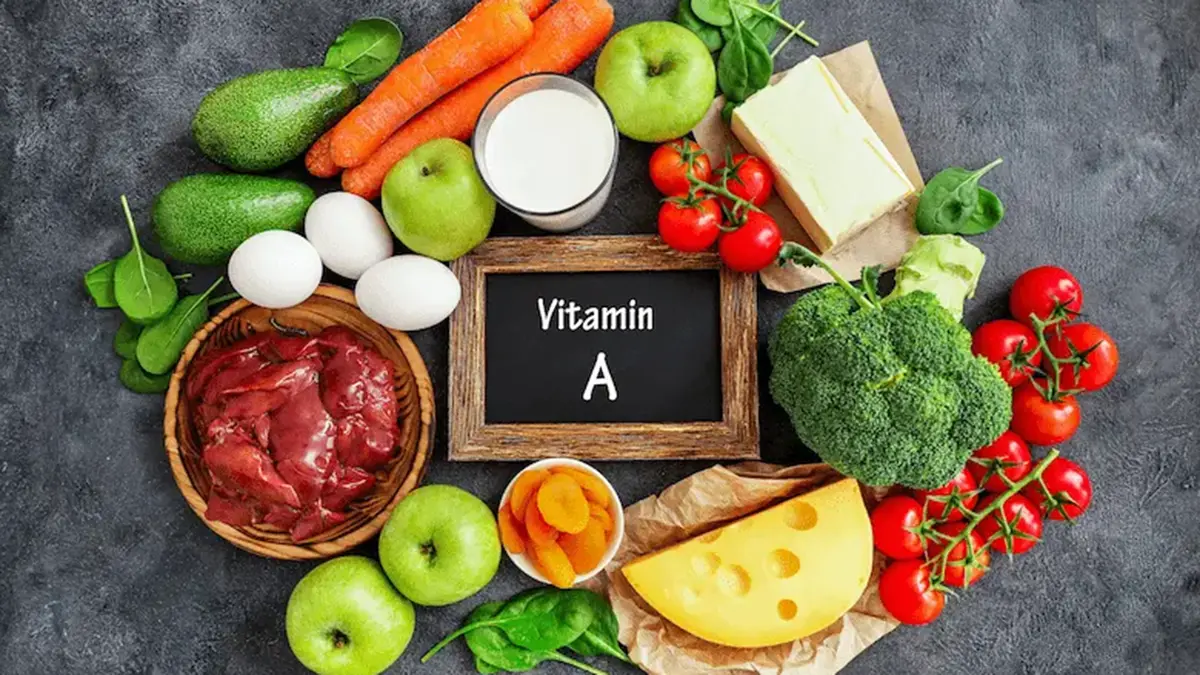
Preformed vitamin A occurs mainly in animal foods, including eggs, dairy, fish and liver.
Plants provide provitamin A carotenoids that the body can convert when needed.
Sources include carrots, pumpkin, spinach, sweet potato, mango and other coloured produce.
Dietary fat helps the intestine absorb this fat-soluble vitamin.
What did researchers study?
Researchers analysed 1,165 children and 1,041 adults belonging to separate asthma cohorts.
They measured blood vitamins, breathing performance, micro ribonucleic acids and deoxyribonucleic acid methylation.
Micro ribonucleic acids help regulate gene activity, while methylation can influence gene expression.
The team published its peer-reviewed findings online in the journal Thorax.
Understanding the lung measurements
- Forced expiratory volume in one second (FEV1) measures air expelled during the first second.
- Forced vital capacity (FVC) measures the total air forcefully exhaled after full inhalation.
- FEV1/FVC ratio helps clinicians identify airflow obstruction when interpreted with other evidence.
Higher vitamin A levels were associated with higher FEV1 and FVC across both cohorts.
Other associations, including the ratio, varied between children and adults.
Vitamin D results also differed by age group and measurement.
Why does vitamin A matter?
Vitamin A supports vision, immune defence, reproduction, growth and healthy epithelial tissues.
Its visual role includes producing rhodopsin, a light-sensitive retinal protein.
Deficiency can first produce night blindness and later damage the eye’s surface.
Severe xerophthalmia may progress towards corneal ulceration, keratomalacia and permanent blindness.
India’s childhood programme
India provides scheduled vitamin A supplementation for children aged nine months through five years.
The first dose accompanies the measles-rubella vaccine around nine completed months.
Subsequent age-appropriate doses continue under the national child-health schedule.
The programme targets deficiency prevention and does not constitute an asthma treatment programme.
Can excessive intake harm health?
Yes, excessive preformed vitamin A can cause headache, liver injury and other toxicity.
Large supplement doses during pregnancy may also cause serious fetal harm.
High-dose beta-carotene supplements present particular concerns for current or former smokers.
People should not self-prescribe high doses because of one observational study.
Conclusion
The asthma study offers useful biological clues, but clinical recommendations require trials and longer follow-up.