

Science & Technology
Micrometeoroids and Orbital Debris (MMOD)
Why in news? The Chinese spacecraft Shenzhou‑20 was recently delayed when a tiny piece of space debris less than a millimetre wide struck its window...
The day’s current affairs covered in full — the terms, names and facts UPSC actually asks about, in six languages.
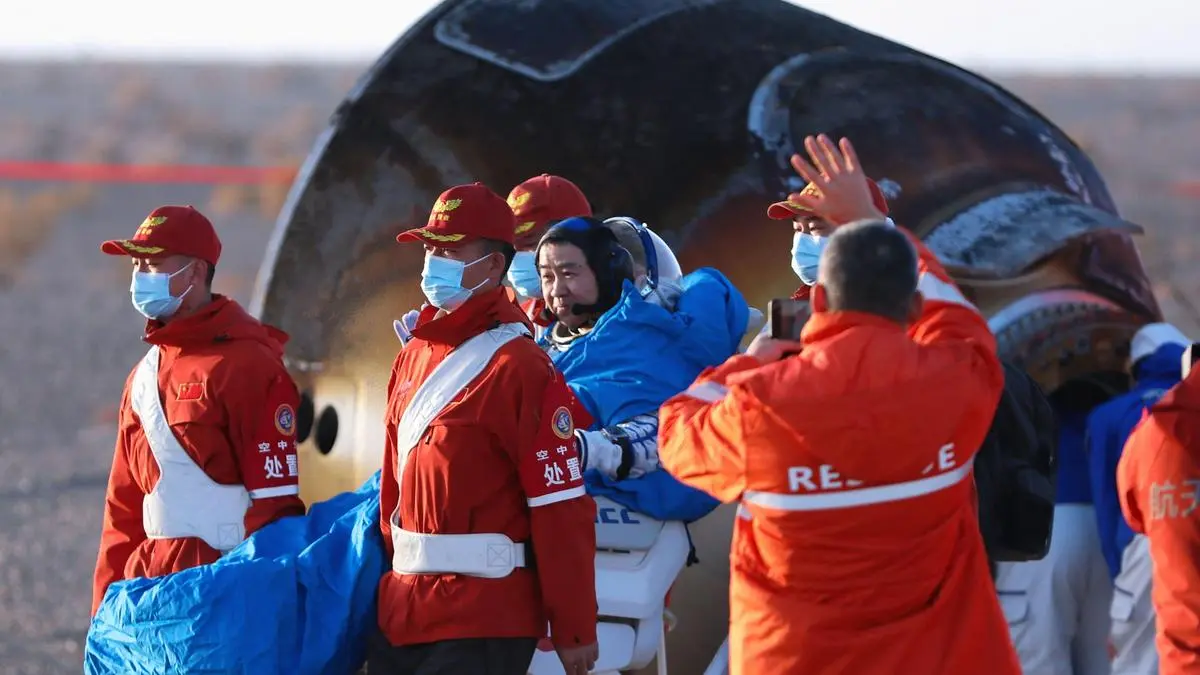
Why in news? The Chinese spacecraft Shenzhou‑20 was recently delayed when a tiny piece of space debris less than a millimetre wide struck its window...
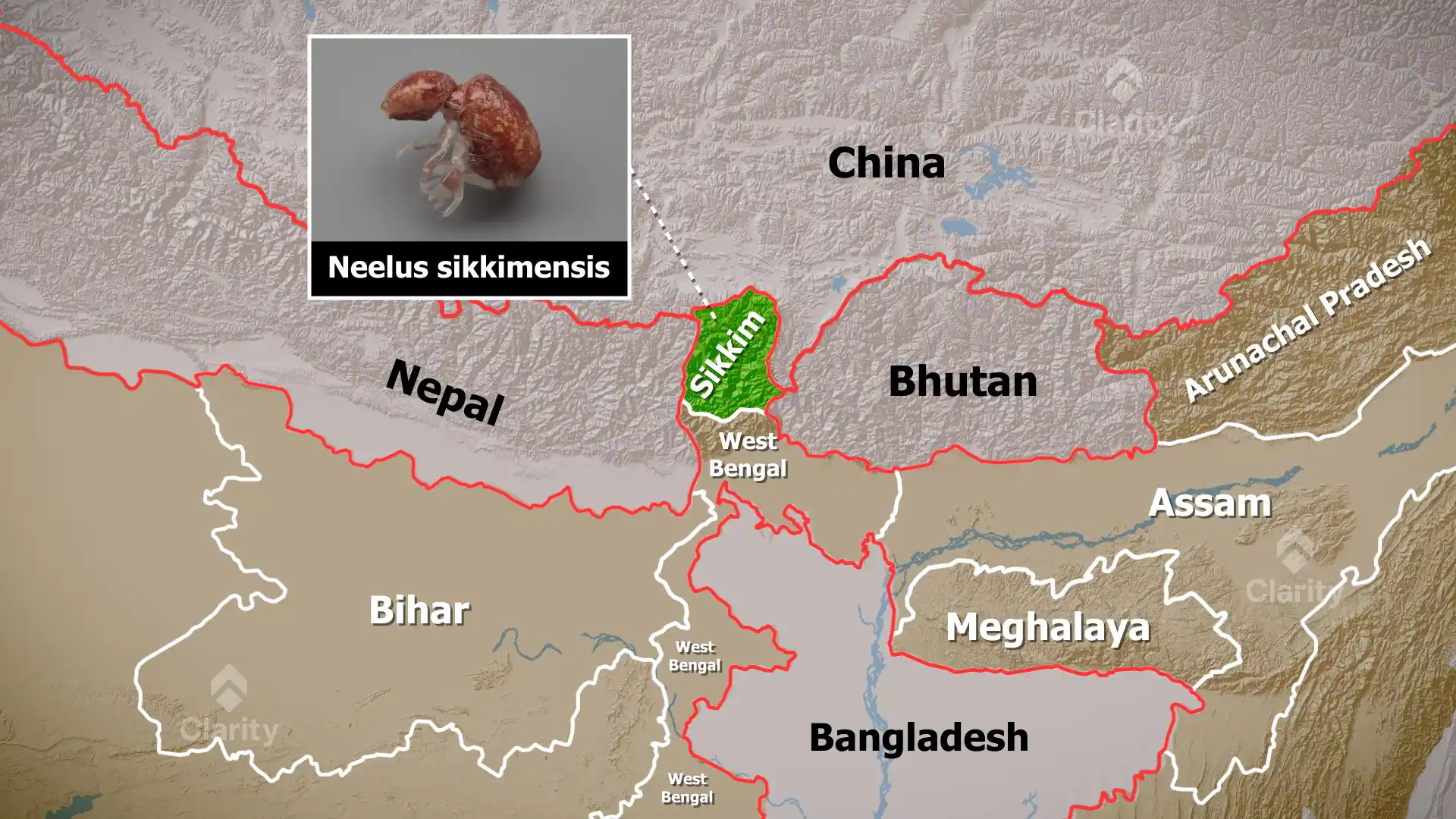
Why in news? Scientists from the Zoological Survey of India discovered a tiny springtail species named Neelus sikkimensis near a hot spring in North ...

Why in news? India’s cyber security agency CERT‑In issued an advisory about a new scam called GhostPairing. Fraudsters exploit WhatsApp’s device...
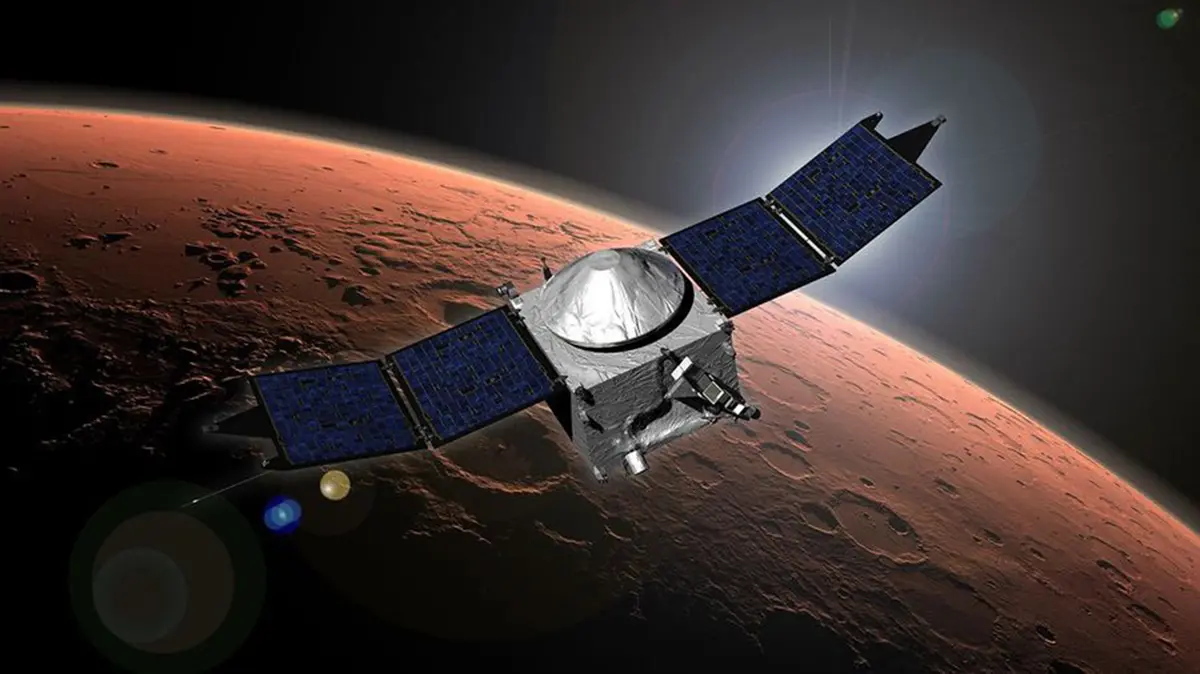
Why in news? NASA reported on 9 December 2025 that contact was lost with the Mars Atmosphere and Volatile Evolution (MAVEN) mission. Telemetry before ...

Why in news? The Department of Telecommunications (DoT) reported that its Financial Fraud Risk Indicator (FRI) system has prevented an estimated ₹66...
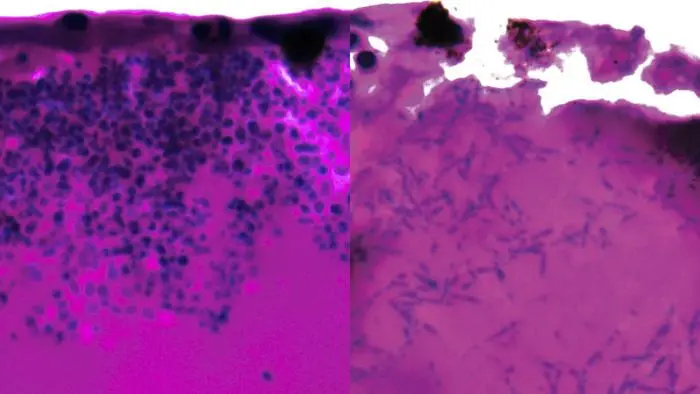
Why in news? Researchers from the University of Exeter and partners reported in December 2025 that Candida auris relies on a unique genetic mechanis...
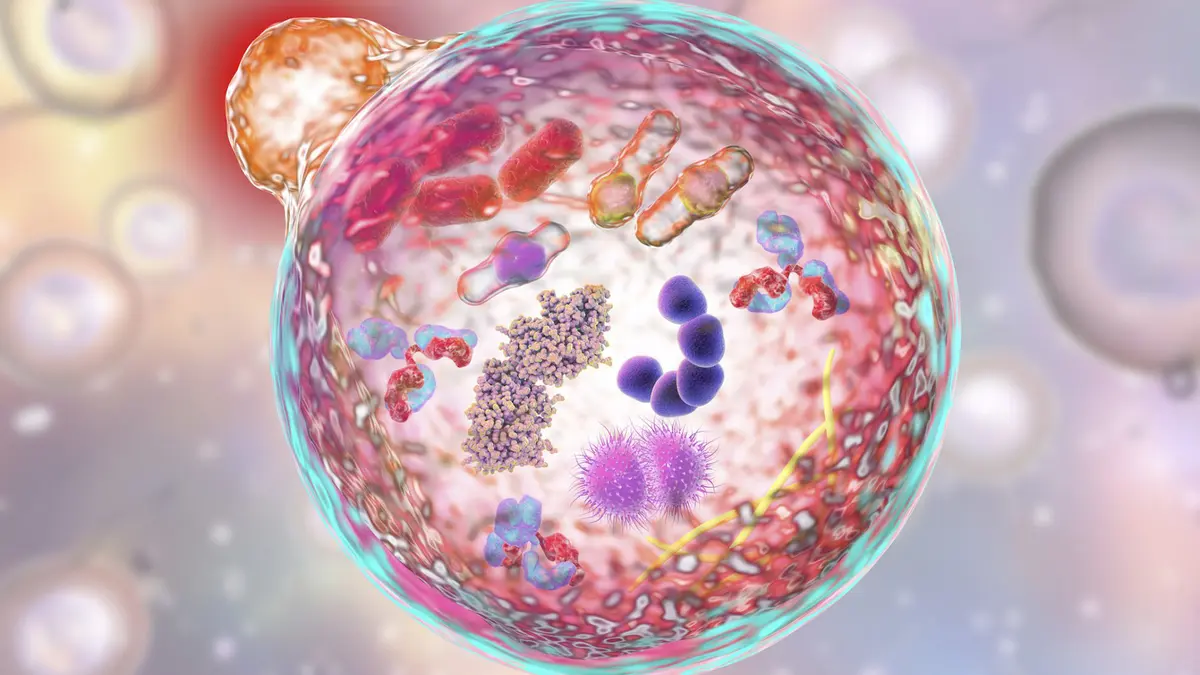
Why in news? Two recent studies shed light on how the body’s cellular cleaning process, known as autophagy, underpins immunity and metabolic health....
Why in news? The Indian National Space Promotion and Authorisation Centre (IN‑SPACe) has issued a Request for Proposal to establish state‑of‑the...

Why in news? In a Rajya Sabha reply on 20 December 2025, the Minister for Electronics and Information Technology, Ashwini Vaishnaw, stated that the go...

Why in News? The National Council of Science Museums (NCSM) recently received two Public Relations Society of India (PRSI) National Awards. Its “Har...
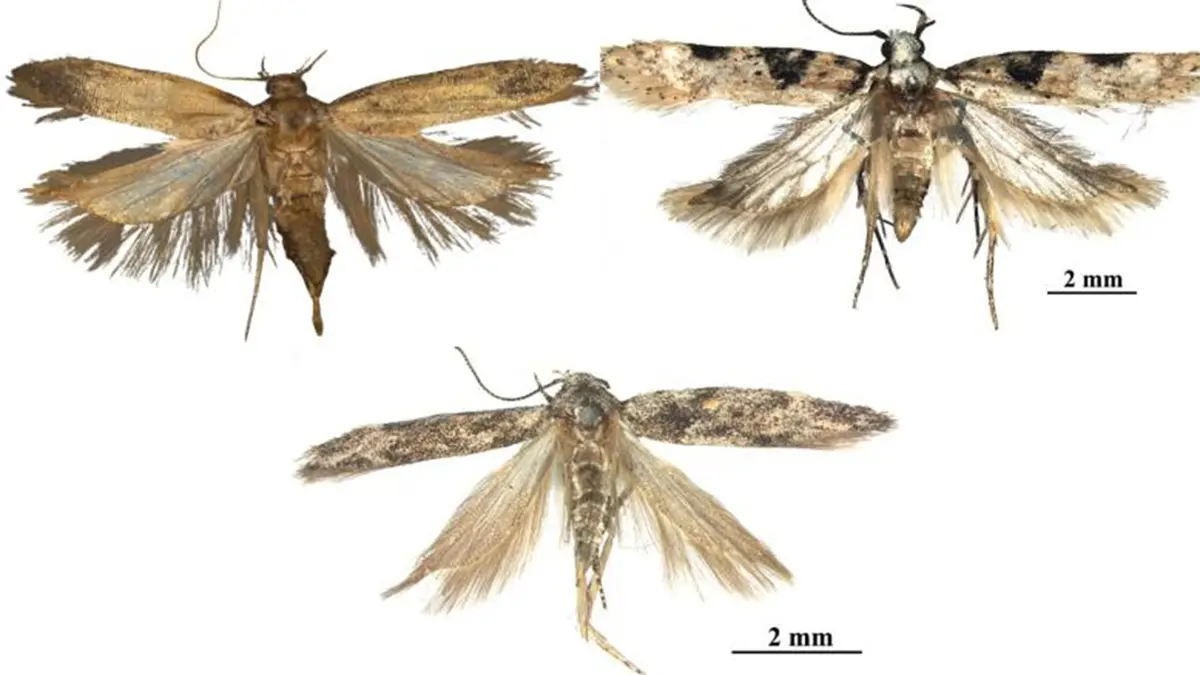
Why in News? Researchers from the ICAR‑Indian Agricultural Research Institute have described three previously unknown moth species from high‑altit...
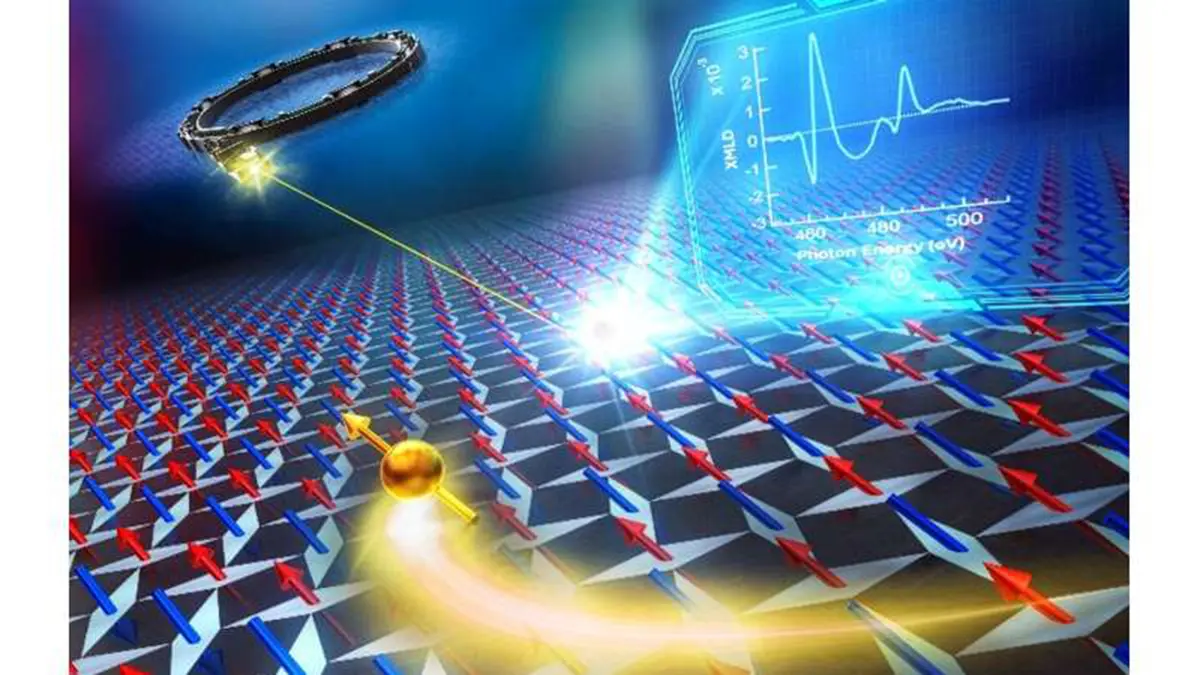
Why in news? Materials scientists in Japan and Europe have confirmed that the compound ruthenium dioxide (RuO₂) exhibits a newly discovered form of ...

