

Why in news?
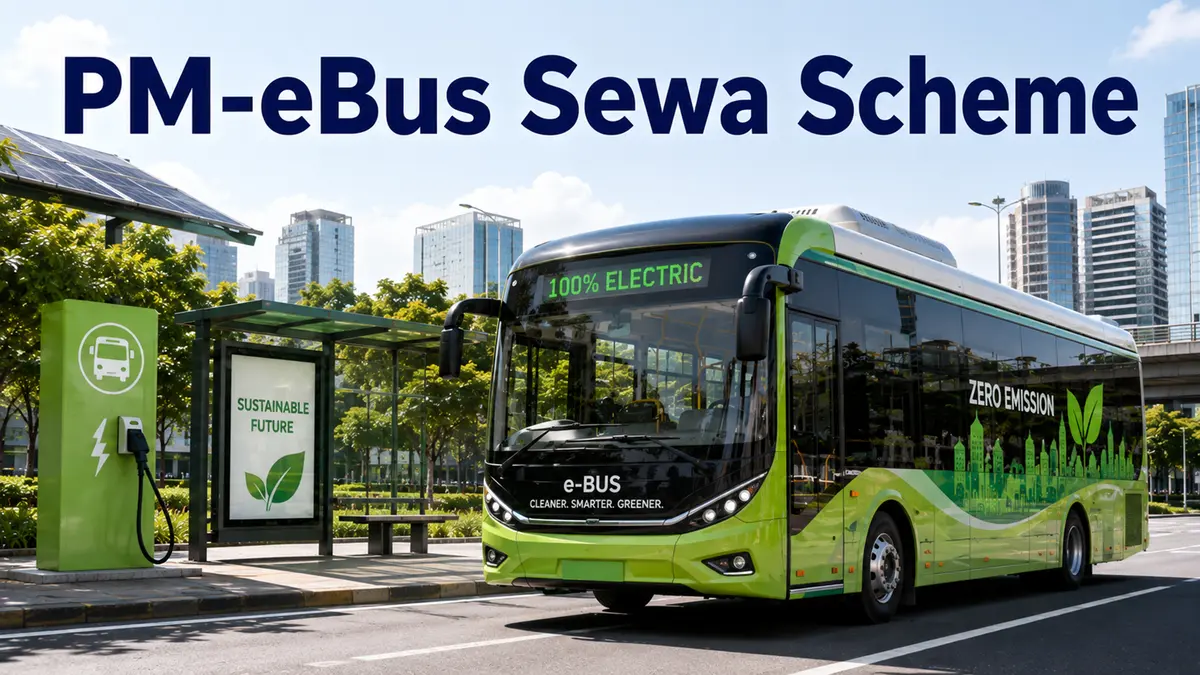
More than 500 electric buses now operate under Pradhan Mantri e-Bus Sewa, or PM-eBus Sewa. They serve 23 cities and carry over one lakh passengers daily. The milestone shows the scheme moving from contracts towards visible urban service. Full deployment still requires thousands of buses, prepared depots and reliable electrical connections.
The latest progress
The reported fleet had crossed 500 buses by late August. Daily journeys had also crossed one lakh across 23 cities. The programme expects nearly 20 lakh daily journeys after all 10,000 buses operate. That estimate depends on routes, service quality and passenger demand.
More than 120 electrical infrastructure projects had received sanction. They include over 500 kilometres of high-tension lines for bus charging. Depot construction was under way across more than 300 acres. These supporting works often determine whether delivered buses can enter regular service.
The scheme gives special attention to cities lacking adequate organised buses. Bhavnagar, Alwar, Bhilwara and Bikaner were identified among such cities. Electric buses can therefore create service, not merely replace an existing diesel fleet. Route planning must still connect homes, jobs, schools and hospitals.
Scheme design and financial structure
The Union Cabinet approved PM-eBus Sewa in August 2023. It provides for 10,000 air-conditioned electric buses under a public-private partnership. The estimated scheme cost is ₹57,613 crore. Union support can reach ₹20,000 crore.
Private operators procure, operate and maintain buses under a Gross Cost Contract. A public authority pays an agreed amount for scheduled service. Fare collection and route decisions remain with that authority. This model separates daily operation from fare revenue risk.
Central support is linked with each bus kilometre. The maximum support is ₹24 for a twelve-metre bus. Nine-metre and seven-metre buses receive lower support. Payments require dependable service data and timely contributions from state or city authorities.
Current guidelines aim to operationalise supported buses by March 2027. Operational assistance can continue for ten years. The subsidy therefore supports service rather than a single purchase. Contracts must also protect continuity after the support period ends.
Who is covered
The original city challenge covered eligible cities with populations between three lakh and forty lakh. Population was measured through the 2011 Census. Certain state and Union Territory capitals below three lakh were also eligible. Updated provisions can accommodate approved clusters and adjoining statutory towns.
Different city sizes require different buses and route patterns. Dense corridors may need larger buses and frequent service. Narrow streets may suit shorter vehicles and feeder routes. Fleet numbers alone cannot measure whether access improves.
The second component supports depots, chargers and related power systems. It can also improve bus stops, accessibility and last-mile connections. Information technology systems can track fleets and passenger information. National Common Mobility Card facilities can simplify payment across transport systems.
Why the transition matters
Road transport creates local air pollution and greenhouse gas emissions. Electric buses have no tailpipe emissions during operation. Their wider climate benefit depends partly on electricity sources and efficient use. High passenger occupancy strengthens that benefit per journey.
A reliable bus also offers a social benefit beyond cleaner technology. It can reduce travel costs for workers, students and caregivers. Women and elderly passengers need safe stops and predictable timings. Persons with disabilities need low floors and accessible information.
Electric buses have different operating and maintenance needs from diesel buses. Cities need trained drivers, technicians and emergency procedures. Battery safety and charging schedules require careful management. End-of-life batteries also need lawful collection and recycling.
What should be measured next
Ridership is important, but passenger journeys should be read with service kilometres. Cities should publish cancellations, punctuality and average waiting time. Data should also show access in outer and low-income neighbourhoods. Such measures reveal whether service is reliable and fair.
Payment delays can weaken a Gross Cost Contract. Operators may reduce maintenance when cash flows become uncertain. Escrow accounts and verified operational data can reduce disputes. Public authorities should disclose payment performance alongside bus deployment.
Charging infrastructure needs resilience during peak power demand. Depots may require new feeders and local network upgrades. Smart charging can avoid unnecessary simultaneous demand. Renewable power contracts can further reduce lifecycle emissions where feasible.
A service programme, not only a vehicle purchase
The scheme pays for scheduled bus operations through long-term contracts. Its success therefore depends on routes, depots, power, maintenance and public oversight.
Conclusion
The ridership milestone shows that PM-eBus Sewa has begun serving daily urban needs. The next challenge is dependable expansion across every selected city. Depots and power connections must keep pace with bus deliveries. Transparent service data should guide public spending and route correction. Clean buses will matter most when passengers receive safe, frequent and affordable mobility.