

Why in news?
A recent observational study involving older adults in Japan found that higher plasma levels of vitamin C were associated with greater grey matter volume and stronger connections in the brain’s default mode network. The findings have generated interest in the role of vitamin C in cognitive health.
Background
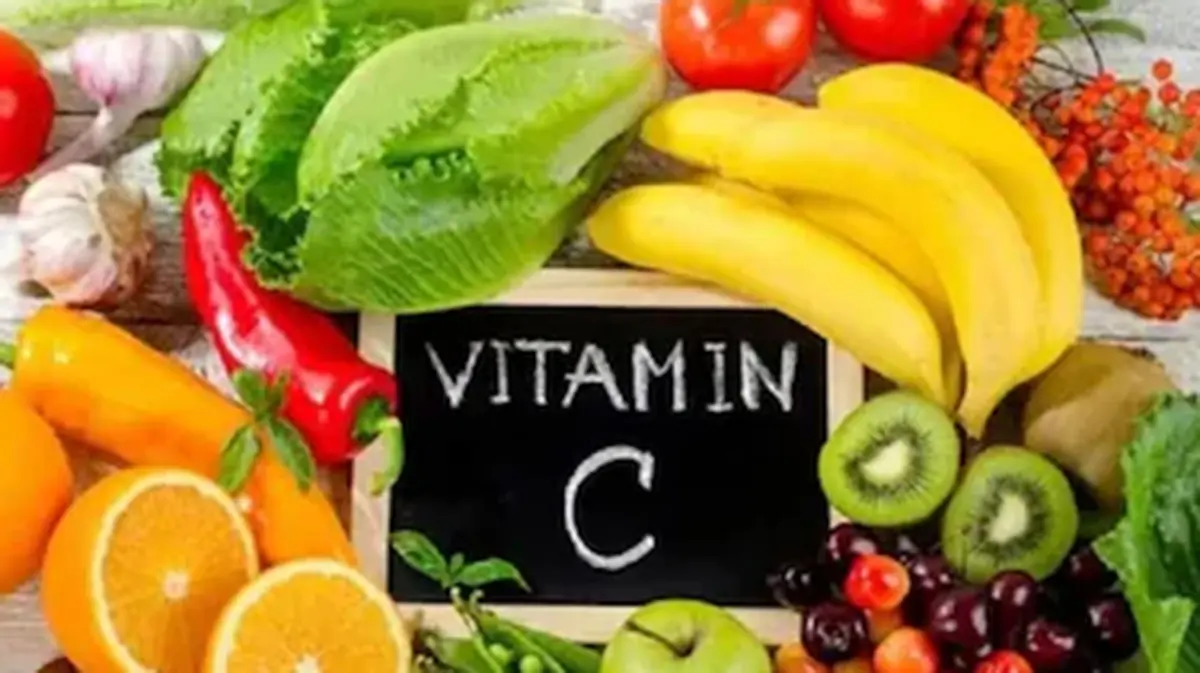
Vitamin C (ascorbic acid) is a water‑soluble vitamin that humans cannot synthesize. It acts as an antioxidant, neutralising free radicals, and helps the body produce collagen, heal wounds, maintain bones and teeth and absorb iron. Sources include citrus fruits, berries, guavas, tomatoes, peppers, potatoes and leafy greens. Because the vitamin is sensitive to heat and storage, fresh raw foods are the best sources.
Deficiency and risk groups
- Scurvy: Severe deficiency leads to scurvy, which causes symptoms such as anaemia, bleeding gums, bruising and poor wound healing.
- At‑risk individuals: People who smoke, consume restrictive diets, or have digestive disorders may need more vitamin C. Pregnant and lactating women also have increased requirements.
New study
Researchers analysed data from over 2,000 Japanese adults aged 64 and above. They found that individuals with higher blood levels of vitamin C had larger grey matter volume and stronger connections in brain regions related to memory and attention. The study is observational, so it cannot prove that vitamin C directly improves brain function. However, it suggests that maintaining adequate vitamin C through diet may support healthy aging.
Conclusion
Vitamin C is essential for tissue growth, repair and immune function. The recent study hints at a possible link between adequate vitamin C levels and better brain health in older adults. While more research is needed to establish cause and effect, eating a diet rich in fruits and vegetables remains an evidence‑based way to meet vitamin C needs and support overall health.